Contents
At sites with a solar power plant, the bill is calculated not only from the energy drawn from the grid but together with the energy fed into the grid. This calculation is called net metering.
How Does Net Metering Work?
With net metering, the energy the solar plant feeds into the grid and the energy the site draws from the grid are compared over a set period, and the result is reflected on the bill. How long this period is and how surplus energy is valued are determined by current regulations.
Why Does the Net Metering Period Matter?
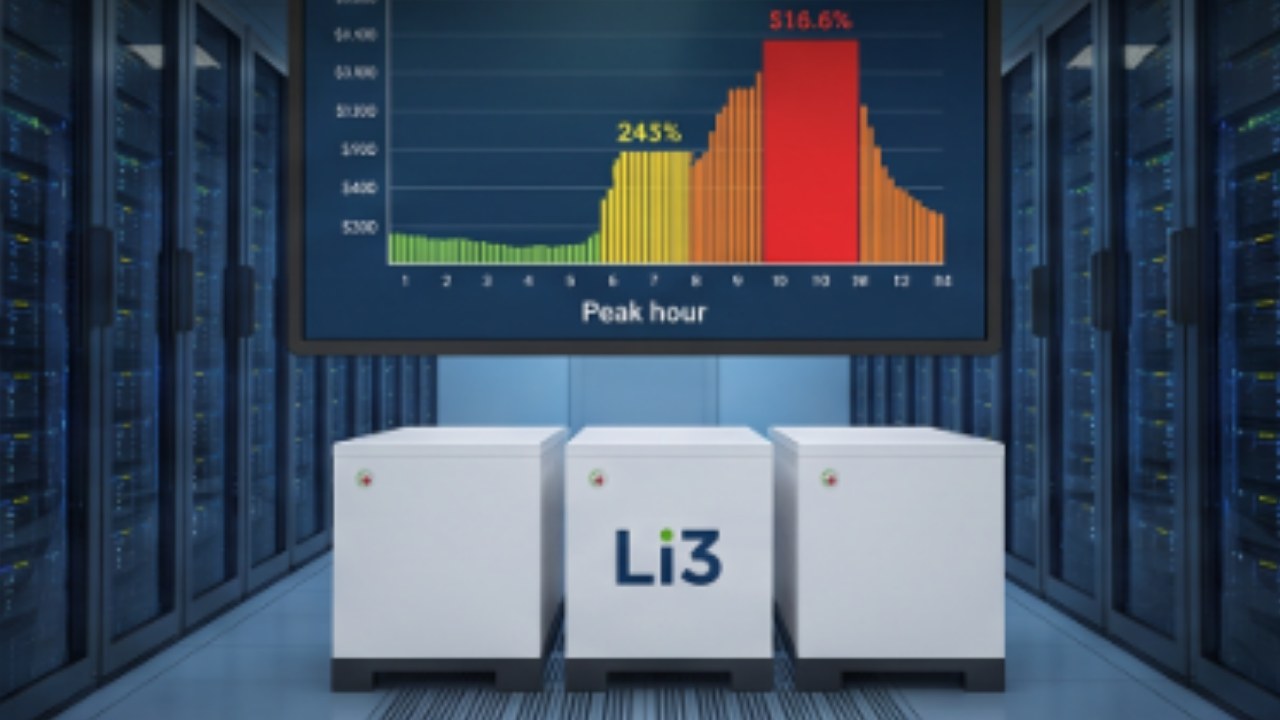
The shorter the net metering period, the more important it becomes for generation and consumption to happen in the same time window. Energy fed into the grid at midday may not offset the energy drawn from the grid in the evening at the same rate. In that case, self consumption, meaning using the energy produced on site, becomes what determines the savings.
How Does Storage Help With Net Metering?
- Surplus daytime generation is stored in the battery instead of being fed into the grid.
- The stored energy is used at the same site in the evening and during peak hours.
- Because less energy is drawn from the grid, you are less affected by changes in net metering rules.
What Should You Do?
Reviewing your solar plant's generation and consumption data together is the most reliable way to find the storage capacity that suits you. You can contact us for an analysis specific to your site, and use the Storage Estimate page for preliminary information.
Note: Net metering rules may be updated through changes in regulations; we recommend checking the current rules before making an investment decision.