Contents
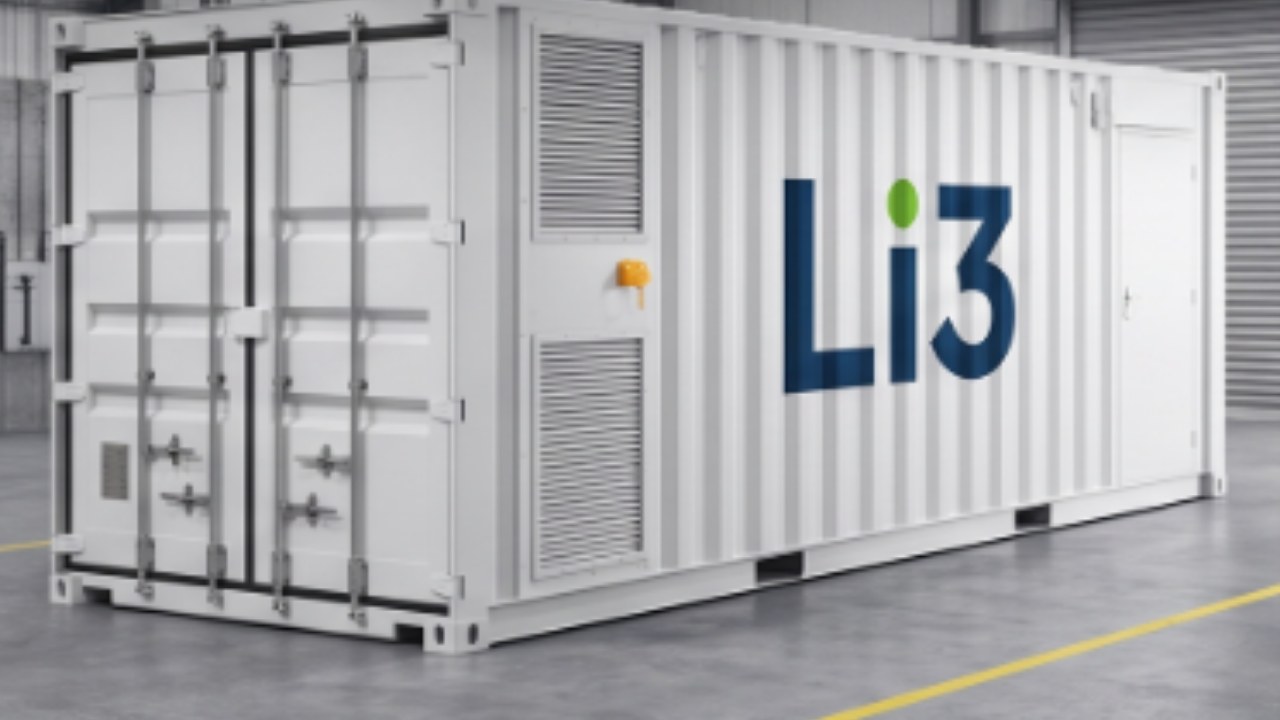
An energy storage system, or BESS (Battery Energy Storage System) for short, stores electricity in batteries so that it can be used whenever it is needed. Energy bought from the grid during low cost hours, or produced by a solar power plant, is stored and then supplied back to the site during expensive hours, during outages or when there is no generation.
What Are the Components of an Energy Storage System?
- Battery modules: The part where the energy is stored. Current systems mostly use LFP (lithium iron phosphate) chemistry because of its safety and long service life.
- Power conversion system (inverter, PCS): Converts the direct current in the battery into the alternating current the site uses, and converts energy from the grid into a form the battery can store.
- Energy management system (EMS): The brain of the system. It decides when the battery is charged and when it is used, based on tariff hours, consumption and generation.
- Cooling and safety: Cooling that keeps the cells at the right temperature, together with fire detection and suppression systems.
What Does Energy Storage Bring to Businesses?
For businesses, energy storage has three main benefits:
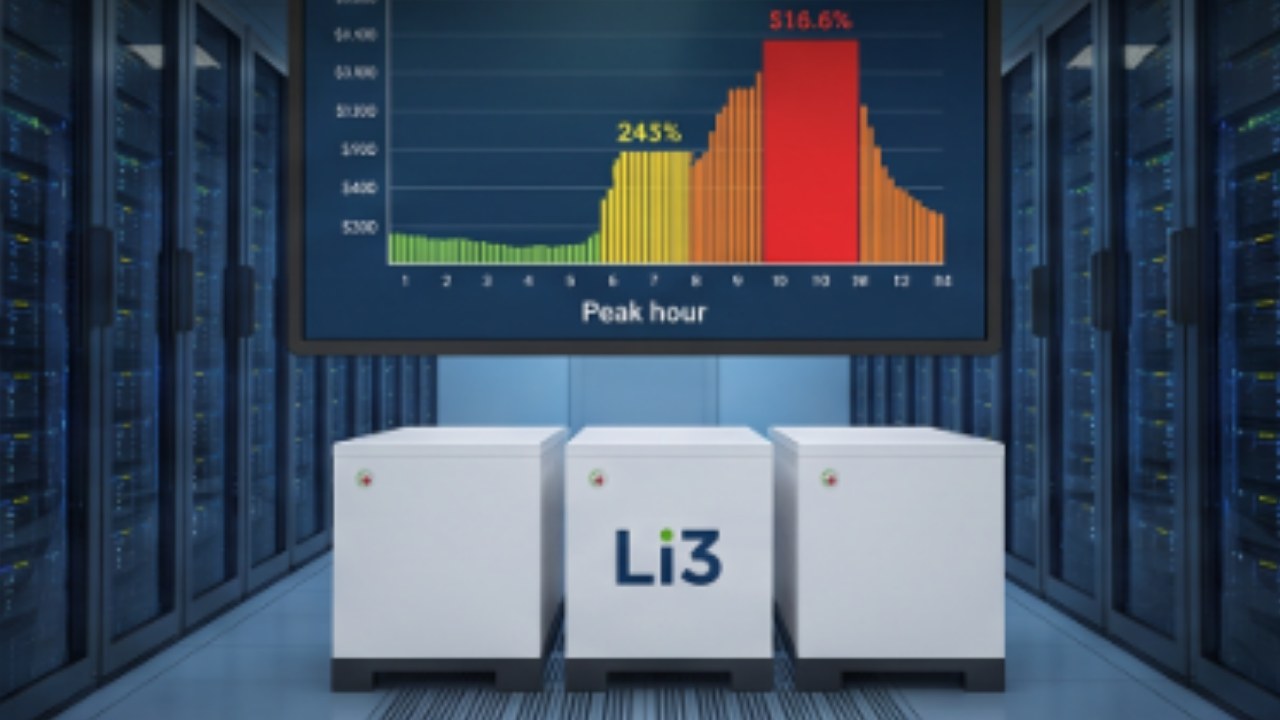
- Lower energy costs: Energy is stored during the hours when the night tariff is favourable and used during the peak hours between 17:00-22:00. The power drawn from the grid falls at the moments when consumption is highest.
- Uninterrupted production: When the grid goes down or fluctuates, critical loads continue to be supplied from the battery, and production losses are avoided.
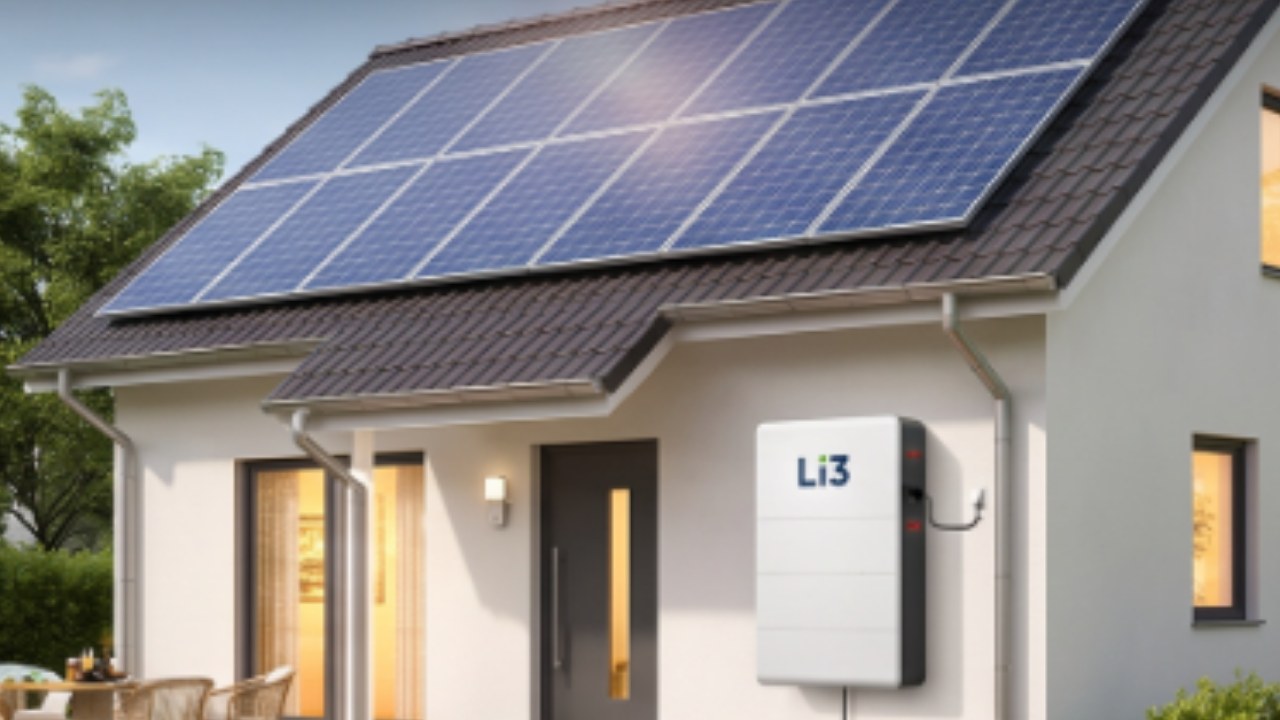
- Getting more out of renewable energy: Surplus daytime generation from a rooftop solar plant is stored and used on site in the evening.
Which Facilities Is It Suitable For?
Factories, shopping centres, hotels, hospitals, data centres, agricultural irrigation facilities and solar power plants are where energy storage delivers the most benefit. In homes, residential battery systems allow solar energy to be used in the evening and provide backup power during outages.
How Is the Right System Determined?
The right capacity and power are determined by the site's consumption profile, consumption during peak hours, subscriber type and solar generation, if any. On the Storage Estimate page you can see an estimated storage recommendation based on your own data, and you can contact us for a detailed analysis.