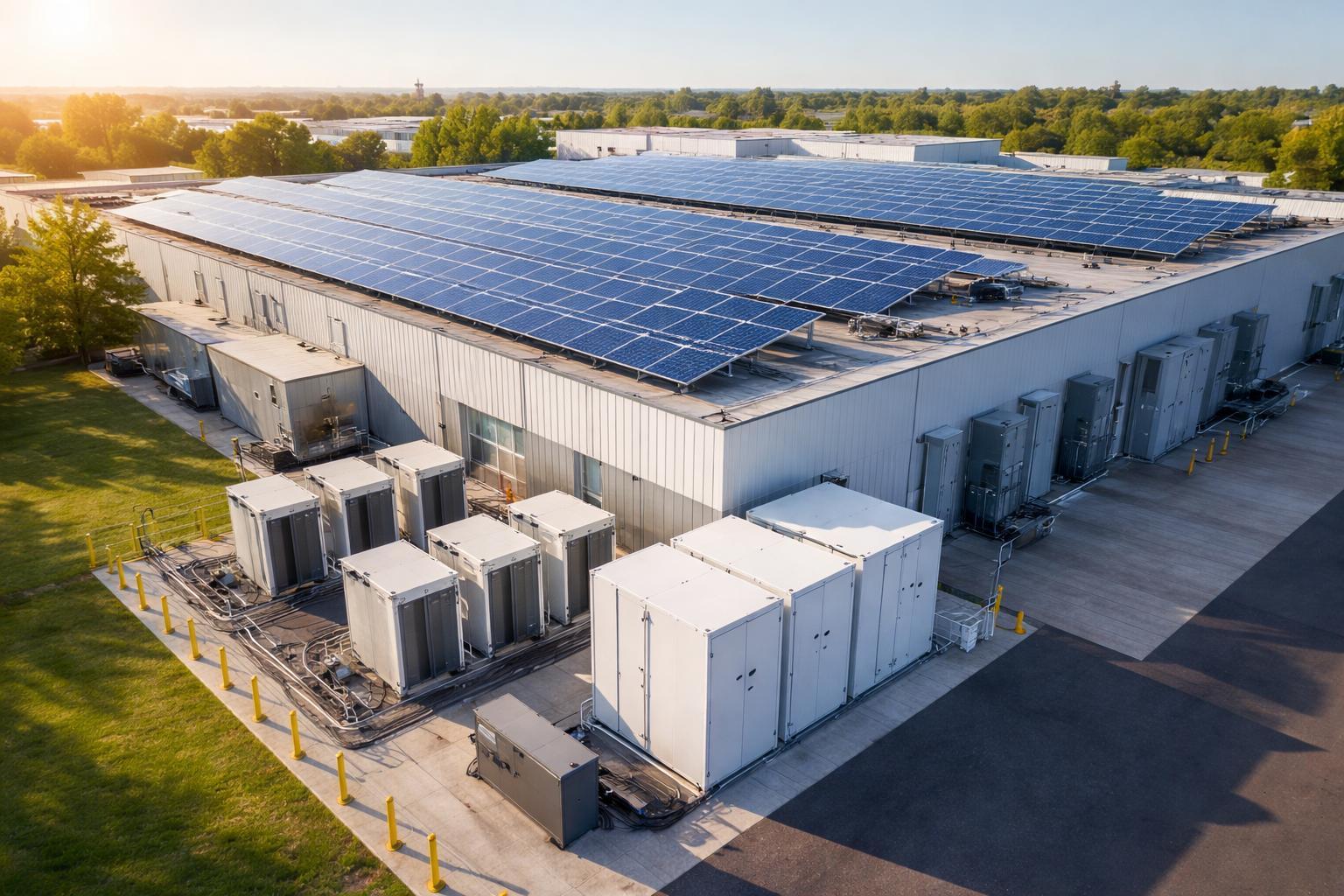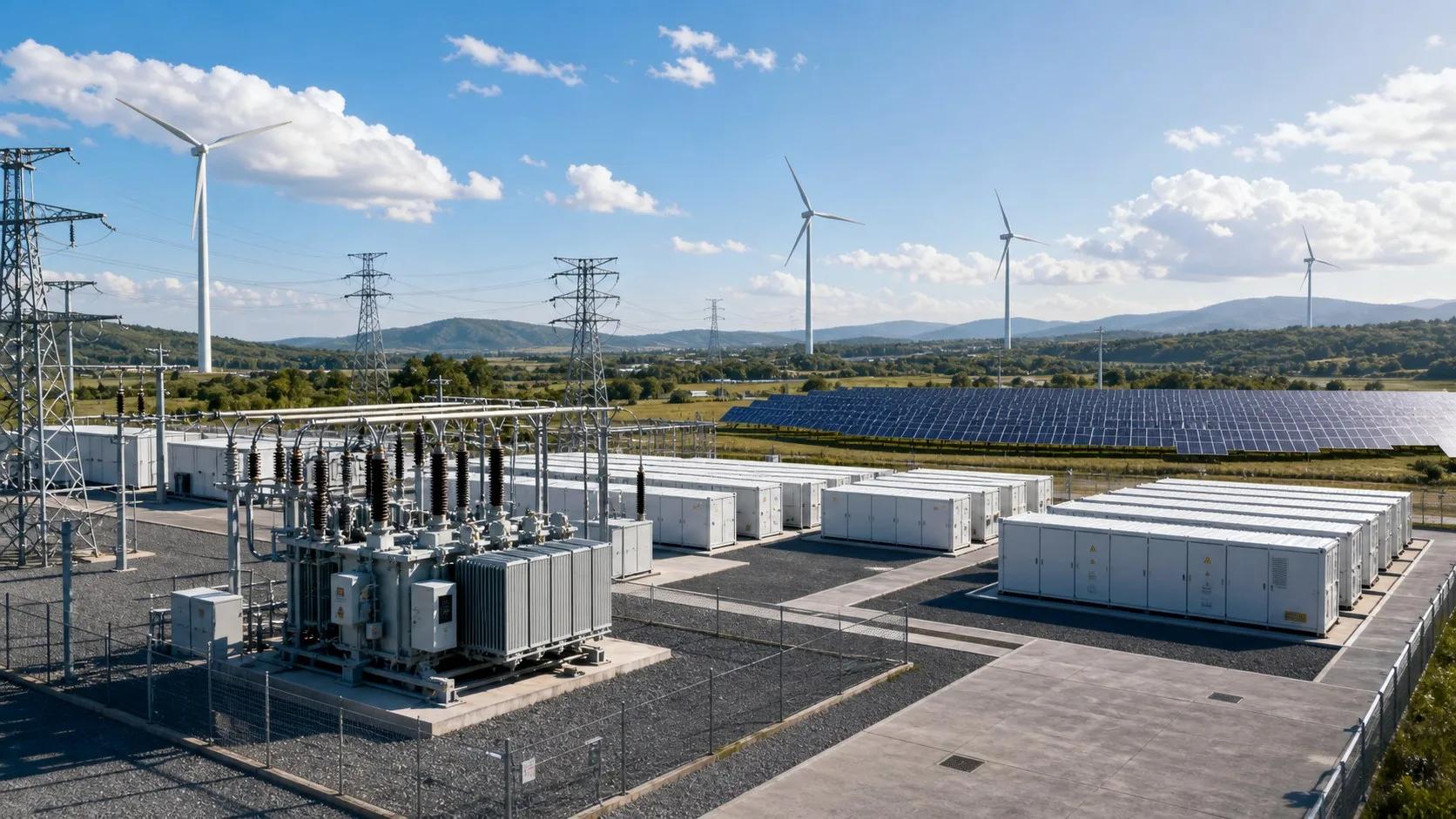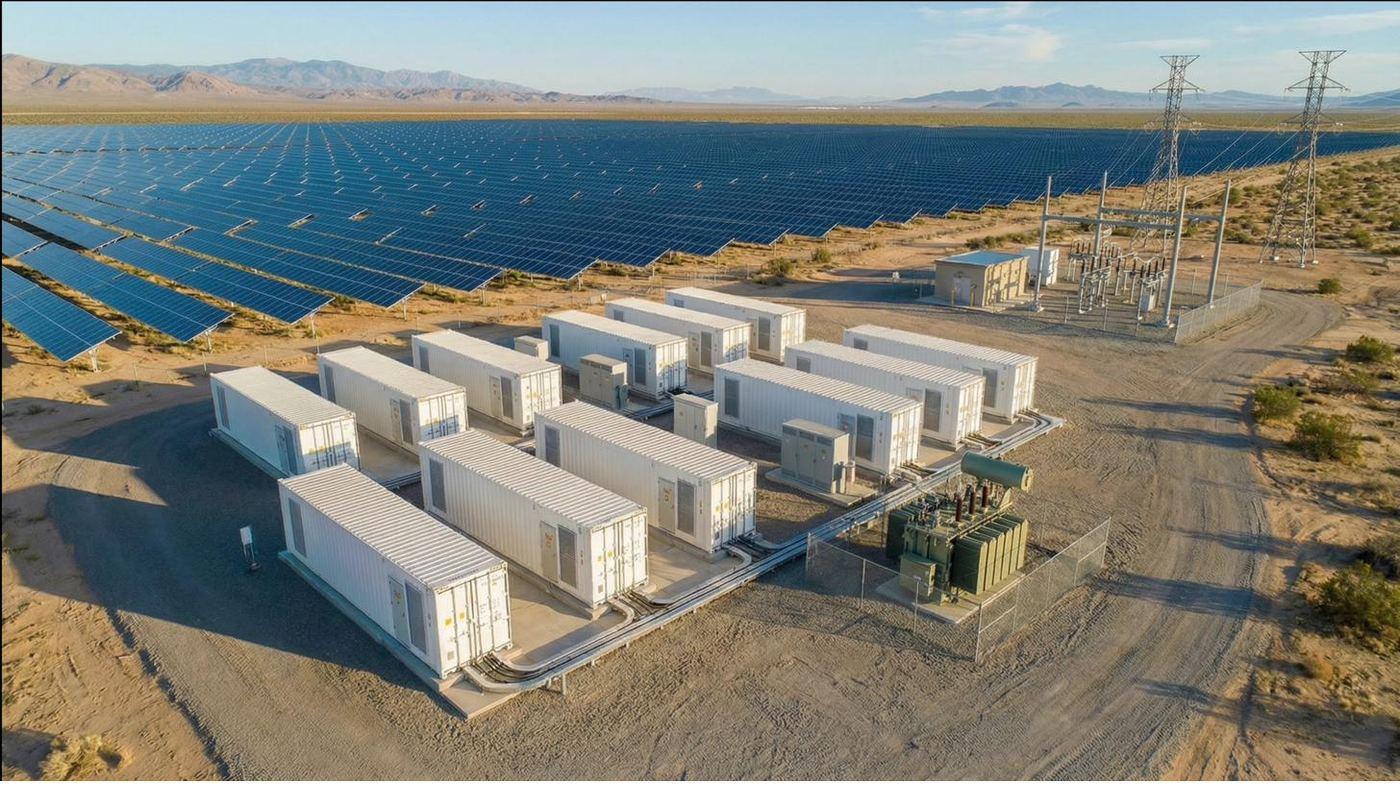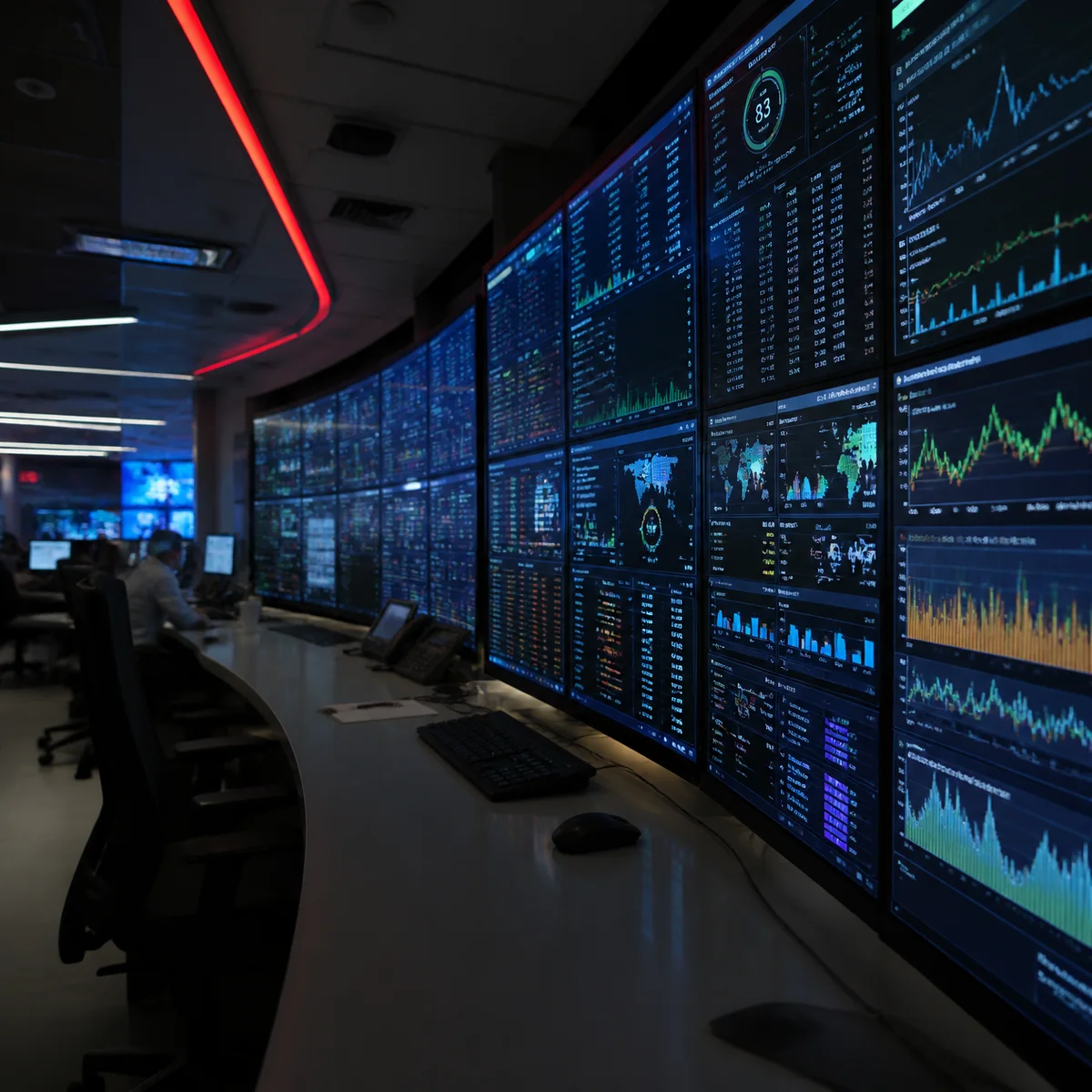
Lİ3 energy storage container with green light next to solar panels and wind turbines

Store Energy for Tomorrow

Together for a Green Future.

Store your energy with Lİ3 and move into the future with confidence.

  • EfficientEnergy management
  • SustainableA better future
  • ReliableTechnology
  • MeasurableReported performance
  • UninterruptedBackup power

Lİ3 Engineering

The Architecture of Energy

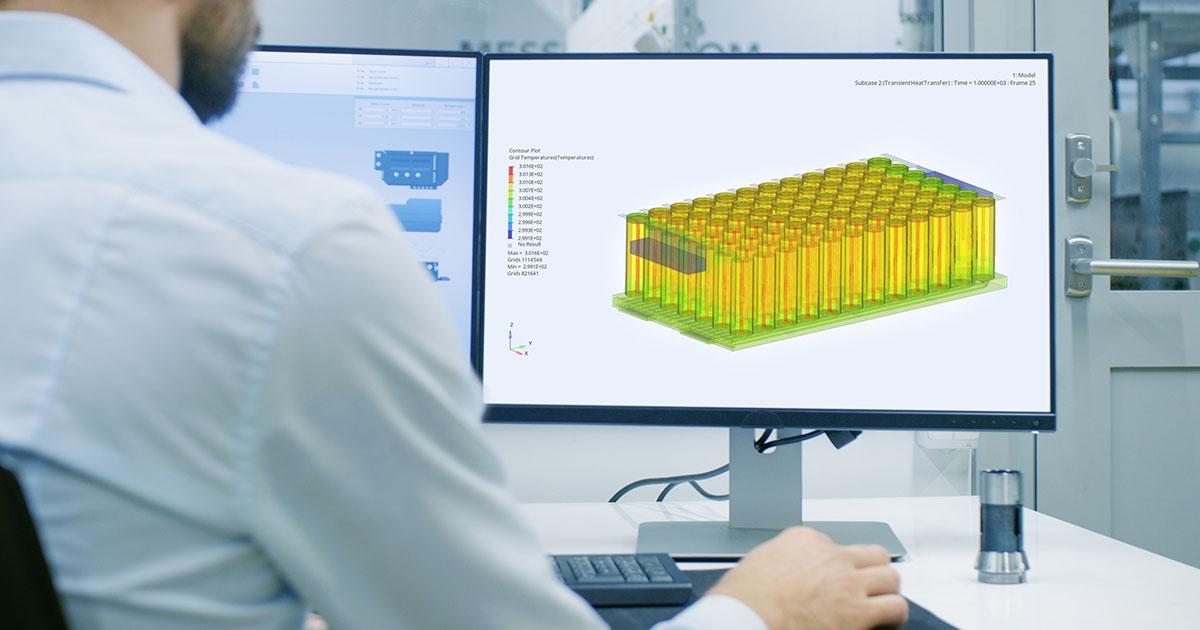
Engineer reviewing a thermal simulation of a battery module on screenClose-up of a power electronics circuit board

Technical and Economic Simulation

The site's load profile, tariff and generation data are used to model how the system will run through the year. Capacity and power options are compared for technical performance and the needs of the site, and the best fit is chosen.

The system is modelled through the year and the best capacity and power are chosen.
Power Electronics and Converter Systems

The battery works with direct current, the grid with alternating current. The bidirectional power conversion system (PCS) makes this conversion in both directions and is chosen and set to run in grid following or grid forming mode.

The battery works with direct current, the grid with alternating current. The bidirectional power conversion system makes this conversion in both directions.

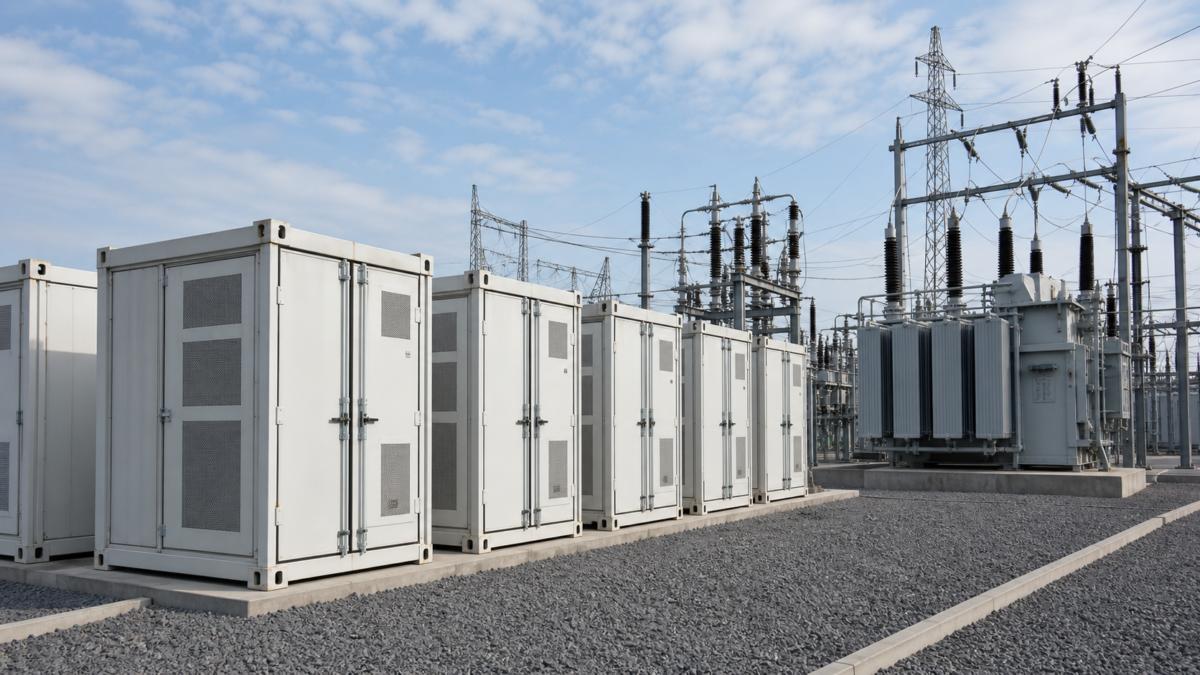
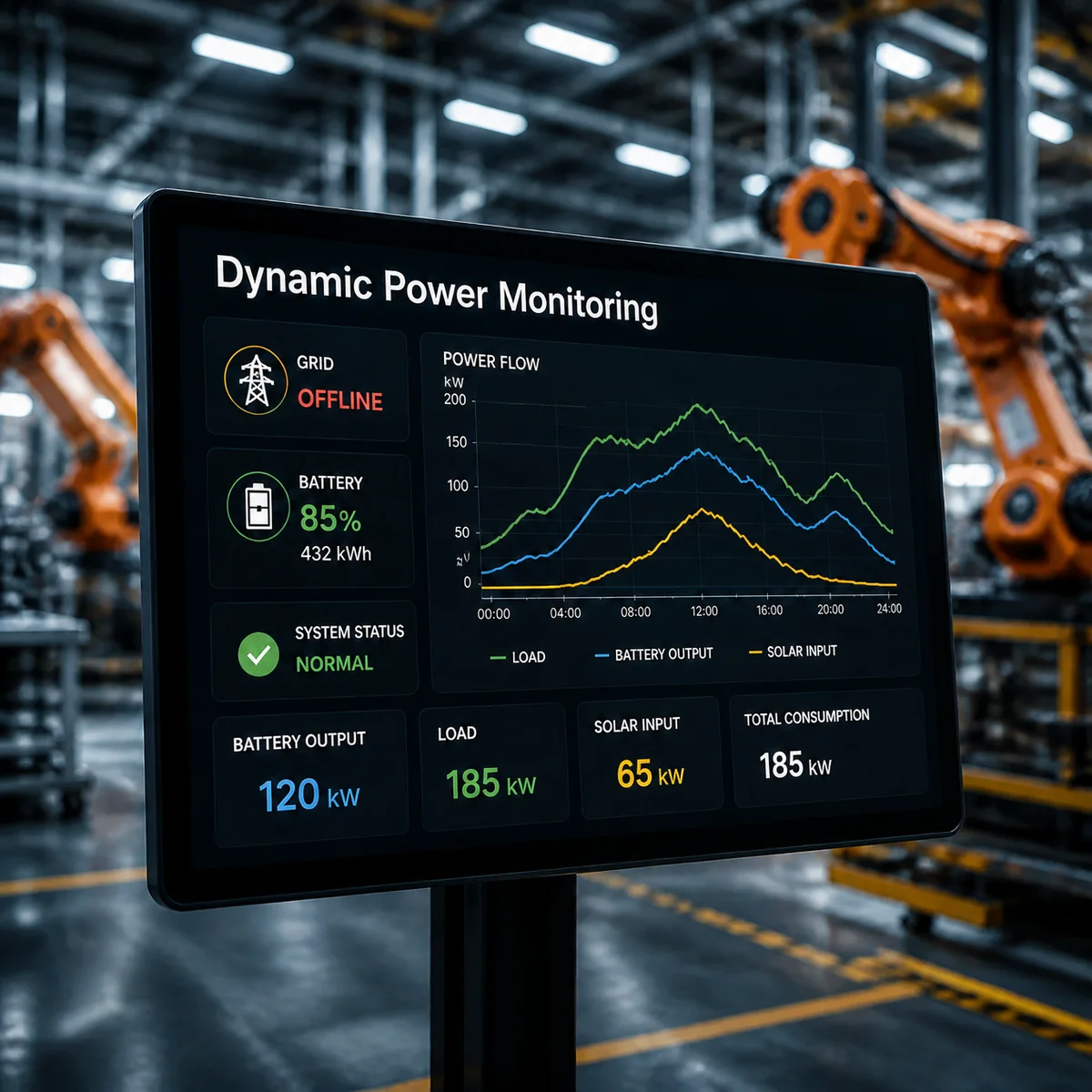
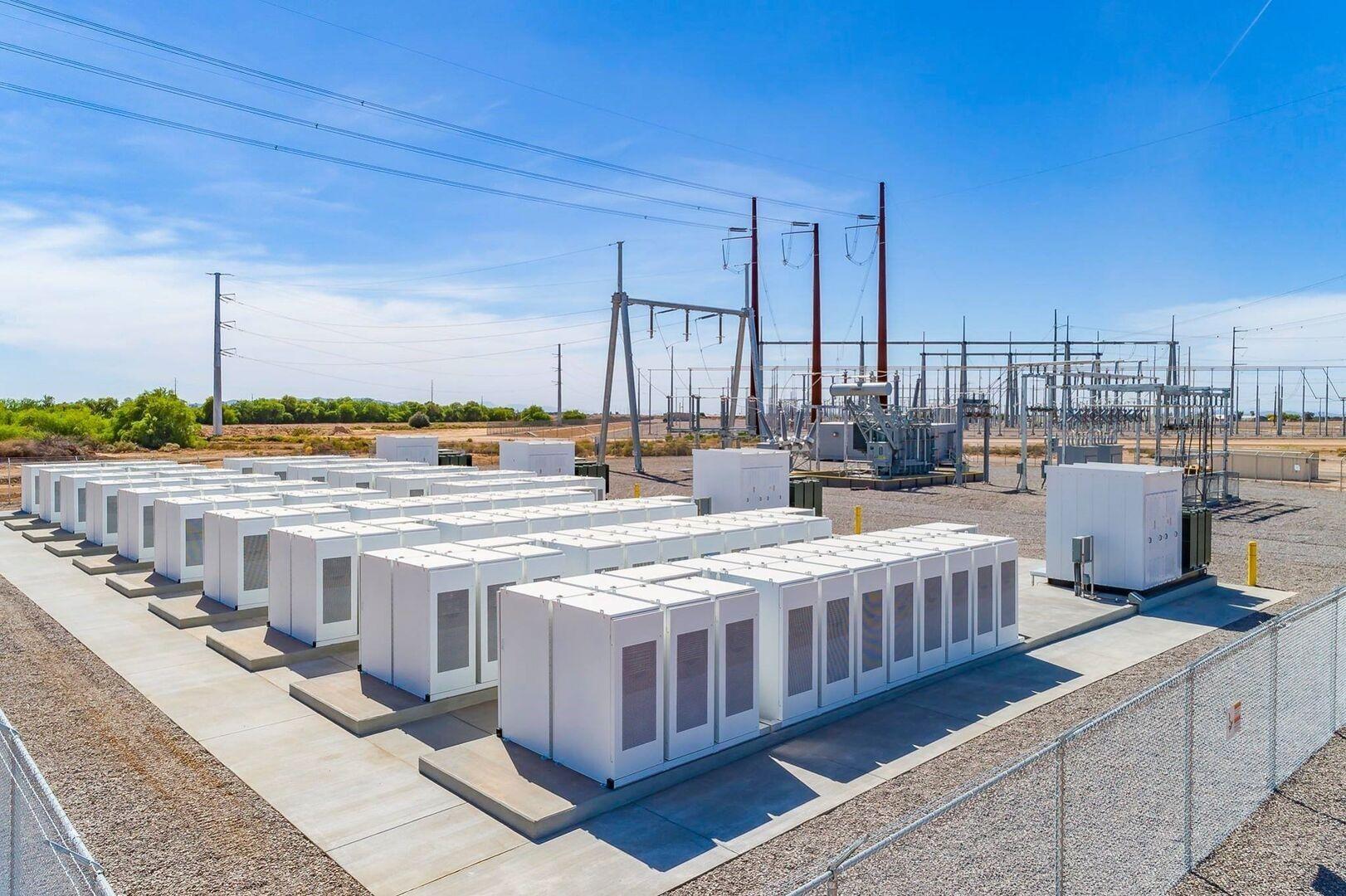
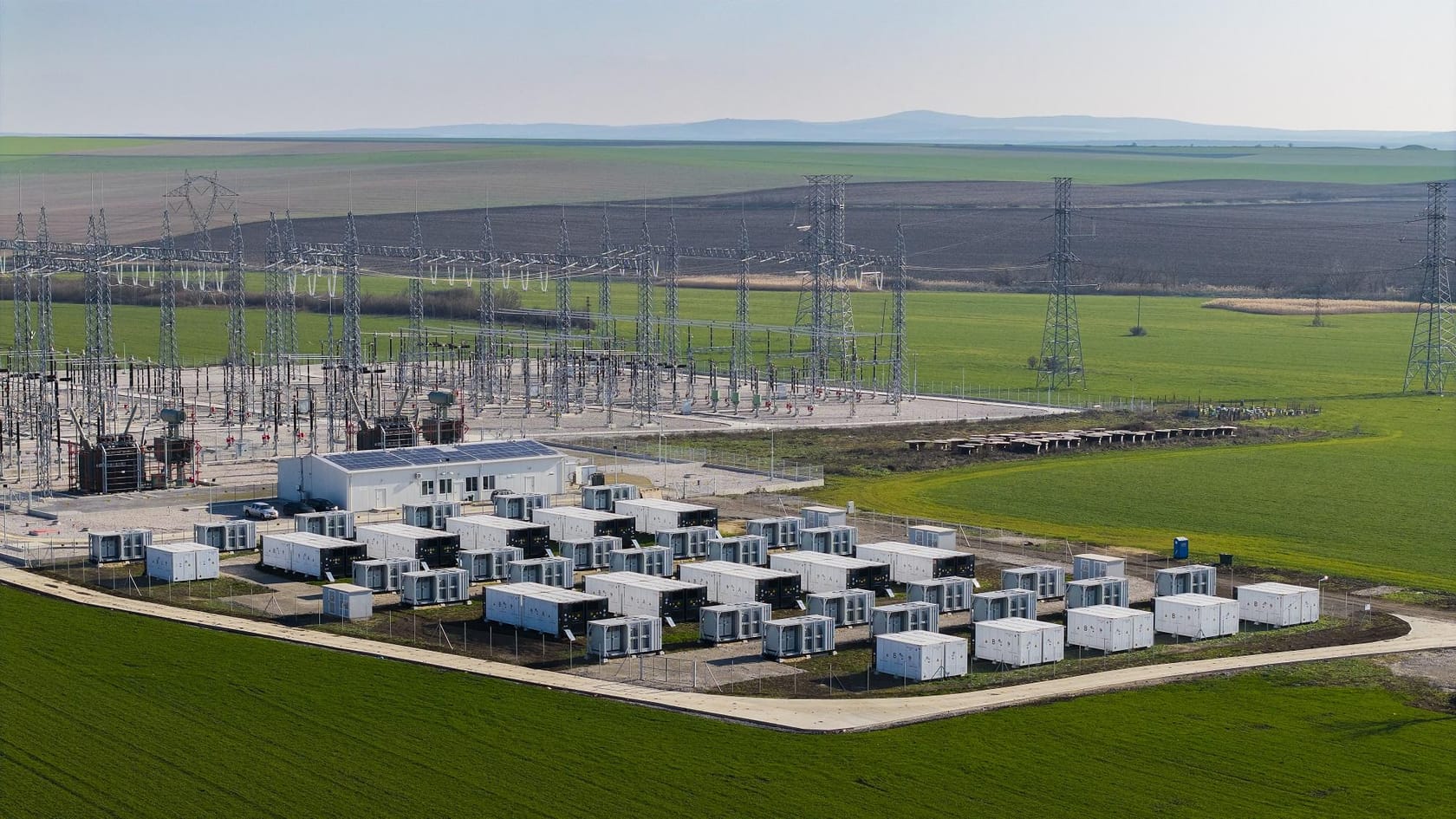
Grid connected energy storage site, aerial viewEnergy storage units beside a transformer yardPower control screen in a factory showing load, battery and solar power in real timeEnergy storage site beside a transformer yard

Frequency Regulation

Any instant imbalance between generation and load pulls the grid frequency away from 50 Hz. The battery system limits the deviation by injecting or absorbing active power within milliseconds.

The battery system limits frequency deviation by injecting or absorbing active power within milliseconds.

Power Balancing

The gap between the power a site draws and the power it produces changes all the time. The storage system covers this gap instantly, holds the power flow at the connection point at its planned value and keeps sudden load changes away from the grid.

The storage system covers the power difference instantly and keeps sudden load changes from reaching the grid.

Dynamic Power Control

Active and reactive power are adjusted instantly to grid and site conditions. The control algorithms are tuned to respond quickly to sudden load changes and to voltage and frequency events.

Active and reactive power are set instantly according to grid and site conditions.

Grid Balancing Services

Storage systems of a suitable size are designed to take part in ancillary services and the balancing market where the regulations allow. Technical qualification, metering and communication needs are planned at the project stage.

Systems of a suitable size are designed to take part in ancillary services and the balancing market as far as regulations allow.

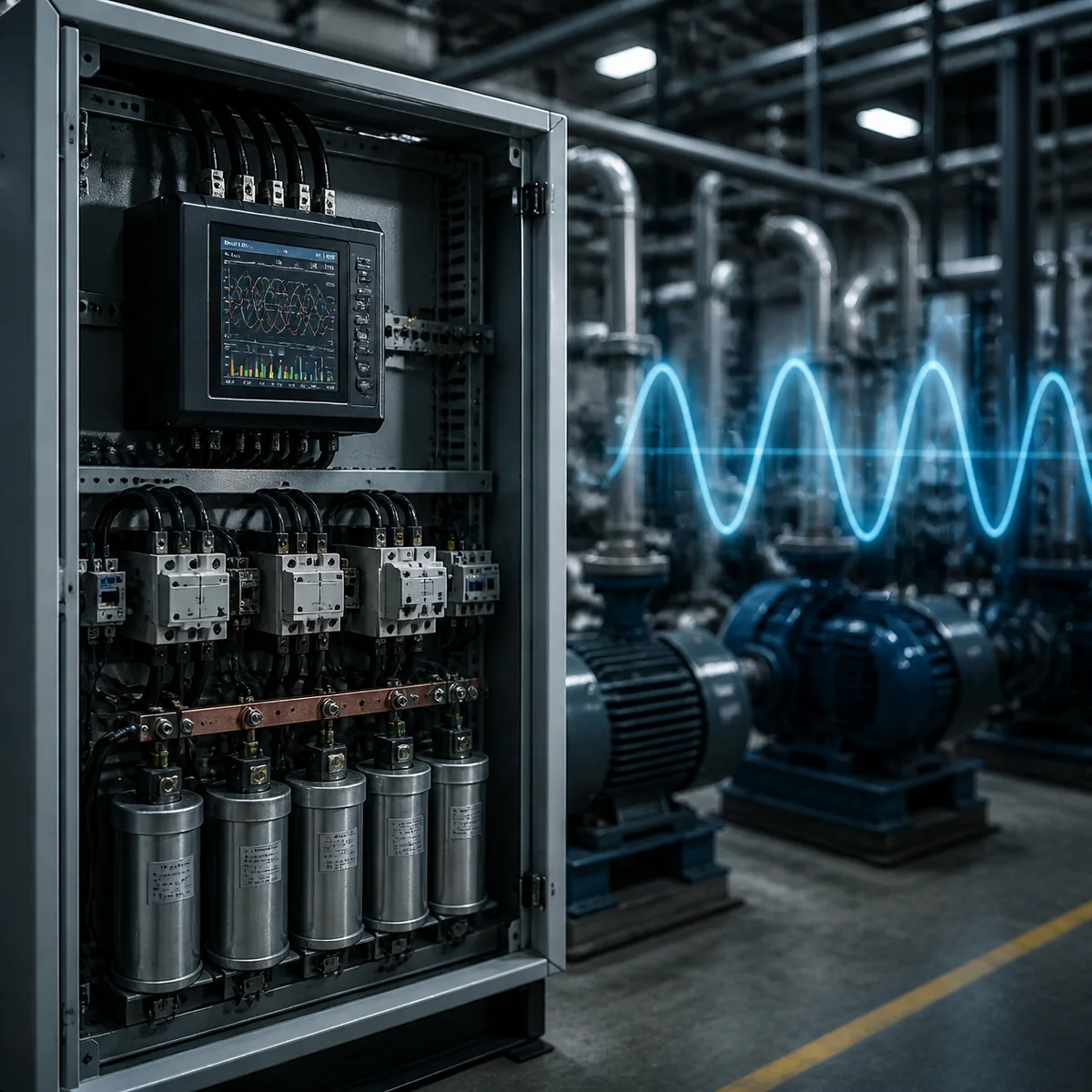
Panel with a power quality analyser and compensation capacitors, electric motors behind itFactory with rooftop solar panels and energy storage units beside it

Power Quality and Reactive Power Management

Harmonic distortion, a low power factor and voltage sags cause losses, penalties and faults. A PCS with reactive power control holds the voltage in its band and the power factor at its target.

The power conversion system keeps the voltage in the required band and the power factor on target.

Peak Shaving

When the site's demand passes a set threshold, the battery takes over and caps the power drawn from the grid. Contract power overruns and expensive peak hour consumption fall.

When power demand passes the threshold, the battery steps in and limits the power drawn from the grid.

Energy storage site beside wind turbines and solar panelsMicrogrid site with solar panels and energy storage unitsEngineer following an energy management dashboard on a laptopControl room with a wall of screens full of data and charts

Renewable Energy Integration

Solar and wind output changes with the weather. Storage keeps the surplus and uses it when needed, matches generation to consumption, smooths sudden drops when clouds pass and limits the ramp rate of the power fed to the grid.

Storage keeps surplus output and uses it when needed, matching generation to consumption.

Microgrids and Energy Resilience

A microgrid brings generation, storage and loads under one control. When the grid fails it keeps feeding critical loads in island mode, and when the grid returns it synchronises and reconnects.

Generation, storage and loads come under one control. When the grid goes down, critical loads stay supplied.

Energy Management Systems (EMS)

The EMS watches consumption, generation, tariff and battery state all the time and decides which application runs when. It is integrated to talk to the existing SCADA and automation systems.

It follows consumption, generation, tariff and battery state, and decides which application runs when.

SCADA and System Integration

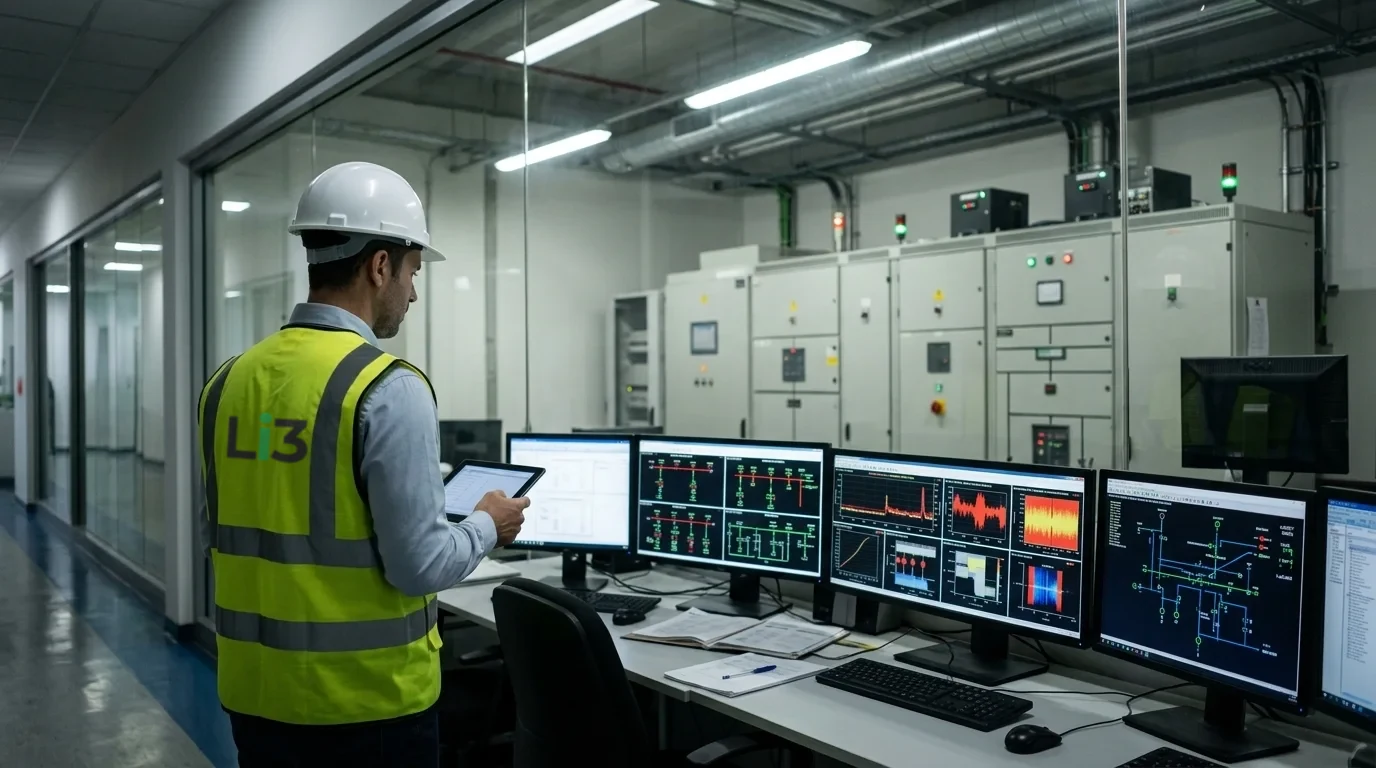
The storage system is integrated with the existing SCADA, automation and metering systems over standard communication protocols. All data is then watched from one screen and the system works in step with the site's other equipment.

The storage system is integrated with the existing SCADA and metering, and all data is followed on one screen.

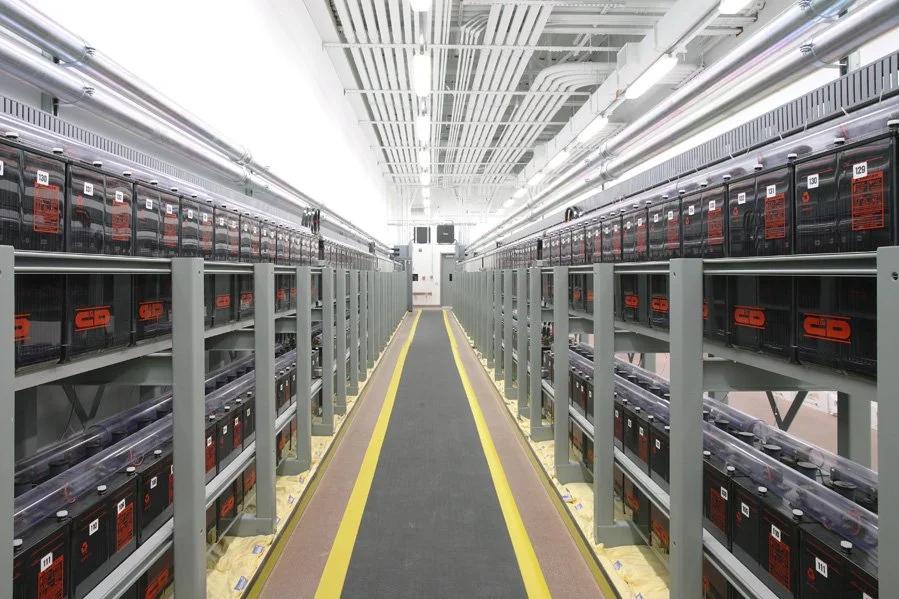
An engineer in a Lİ3 vest reviewing single line diagrams and measurements on screens in a switchgear roomEnergy storage hall lined with battery racks

System Safety and Protection Coordination

Short circuit and fault currents are calculated and the protection settings are coordinated for selectivity. Thermal management, fire detection and suppression are an integral part of the design.

Protection devices are coordinated for selectivity. Thermal management and fire systems are part of the design.

Battery Lifetime and Cycle Optimisation

Depth of use, temperature and charge and discharge rates directly affect battery life. The operating strategy watches these values and is set to balance today's energy needs with a long battery life.

The operating strategy follows depth of use, temperature and charge and discharge rate to protect battery life.

Lİ3 Engineering

From Cell to Fleet, at Every Scale

Energy storage is engineered, built and operated by Lİ3 at every scale, from the cell to the fleet.

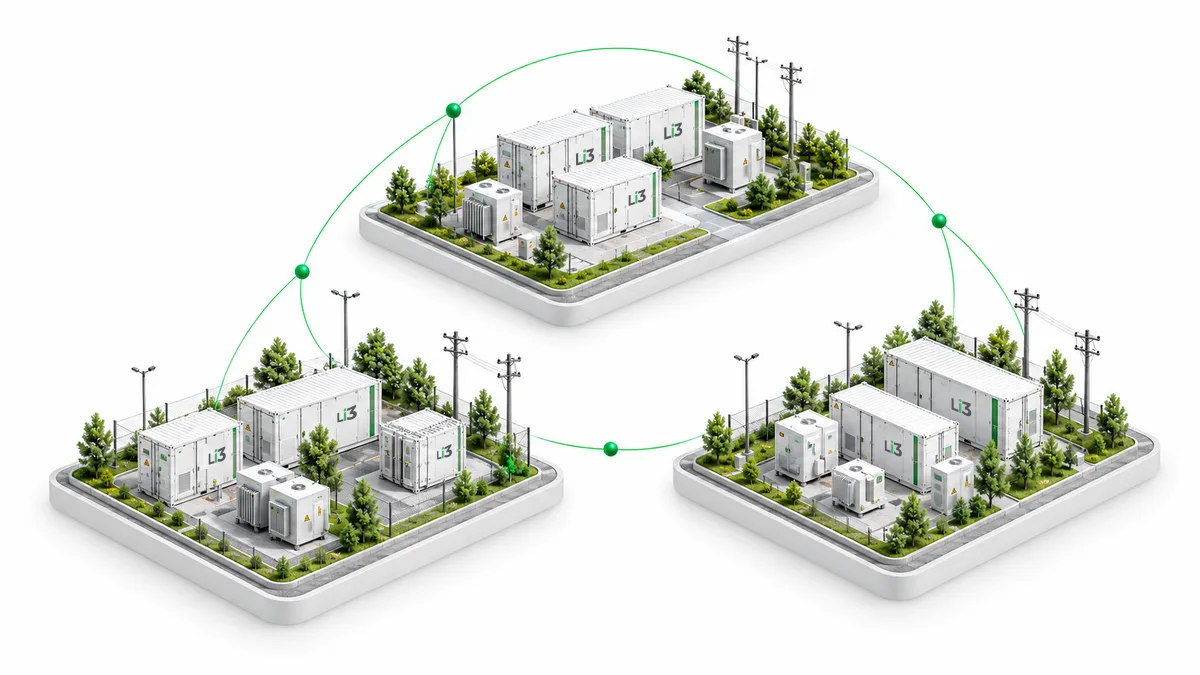
Three connected Lİ3 energy storage sites
FleetMultiple sites
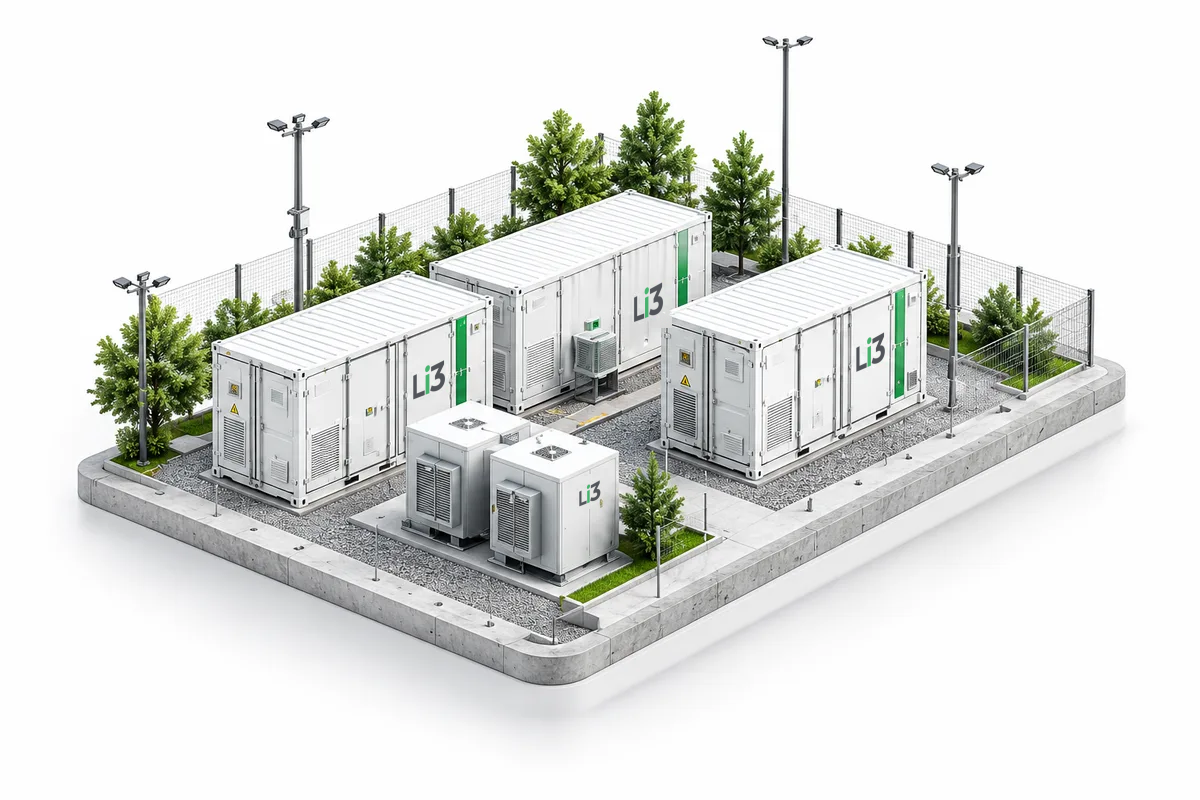
A Lİ3 energy storage site with containers and transformers
SiteFacility
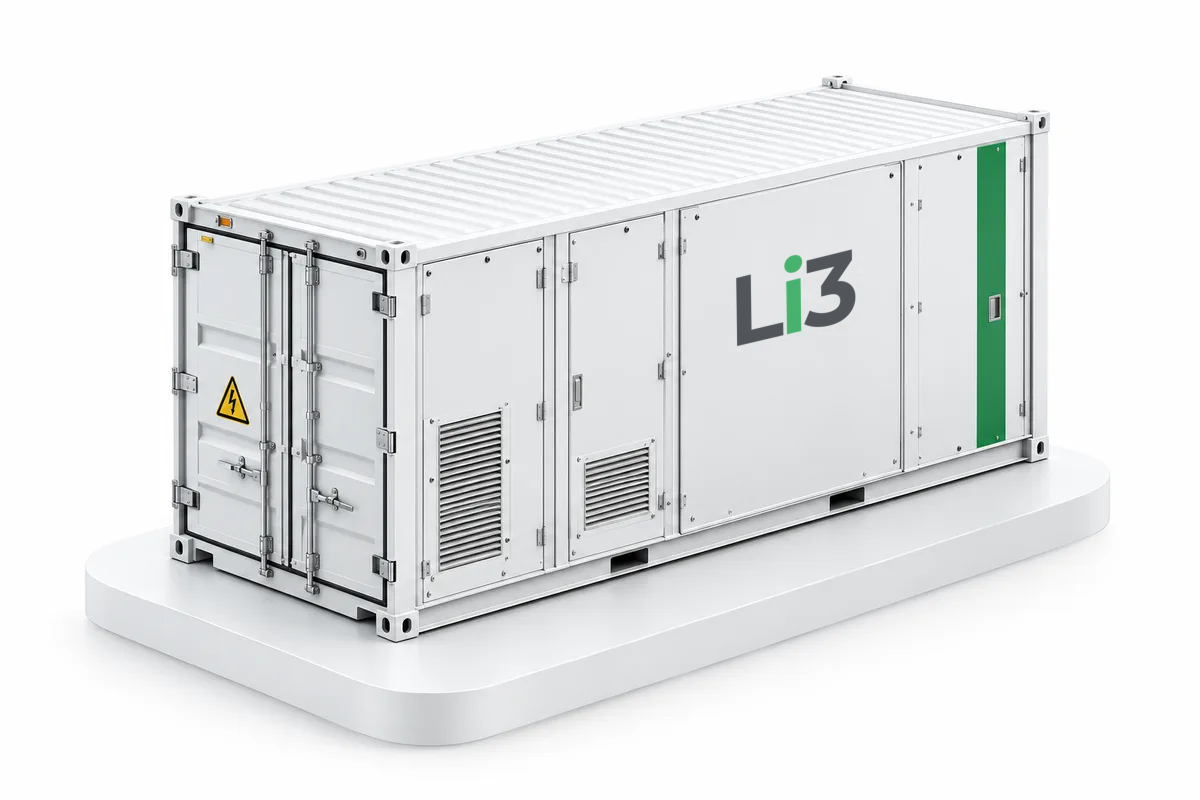
A containerised Lİ3 battery energy storage system
System (BESS)Storage system
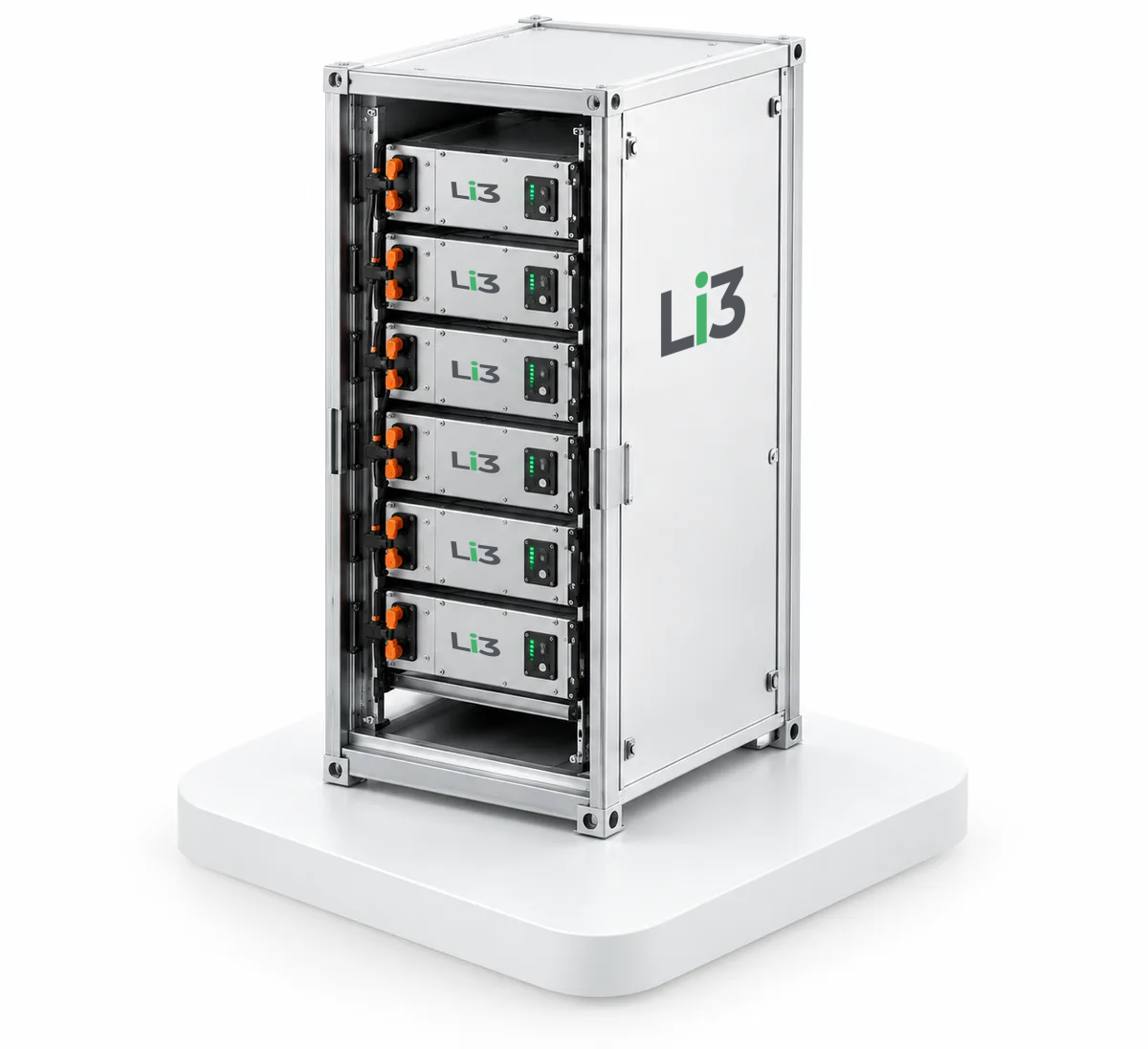
A Lİ3 battery rack holding six battery modules
Rack
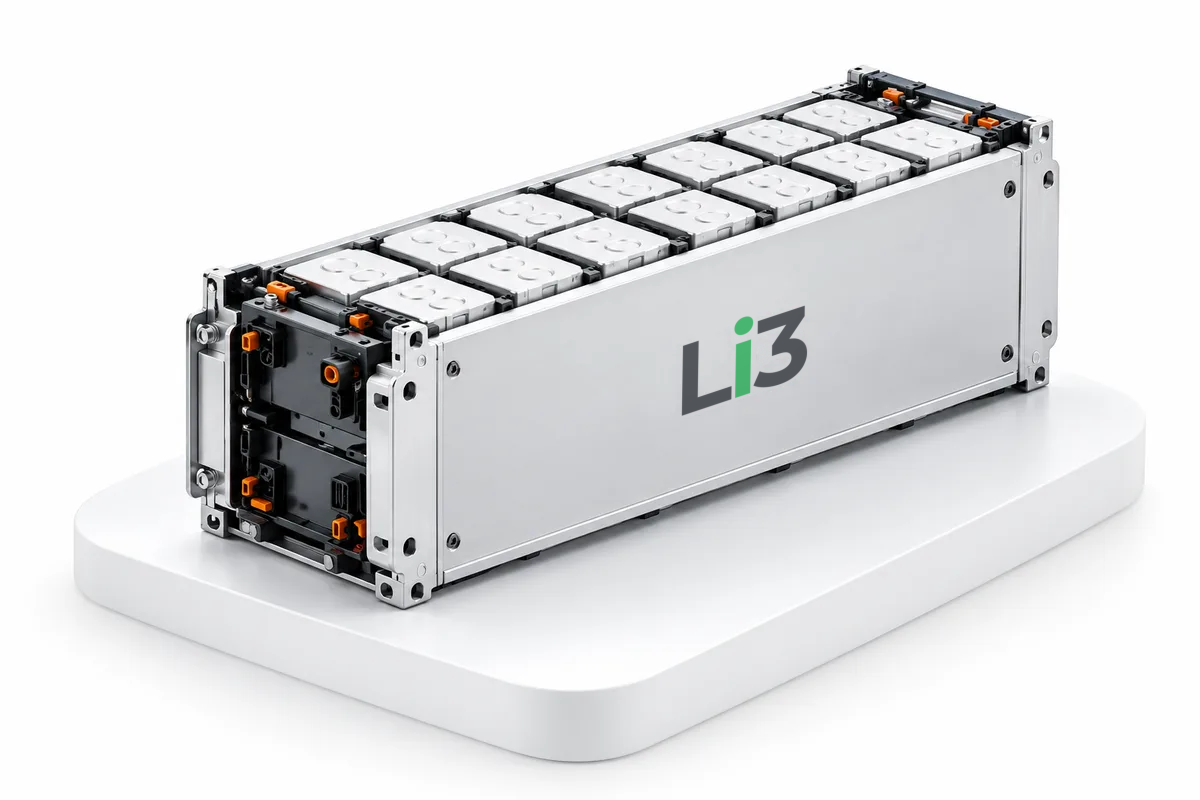
A Lİ3 battery module built from cells
Module
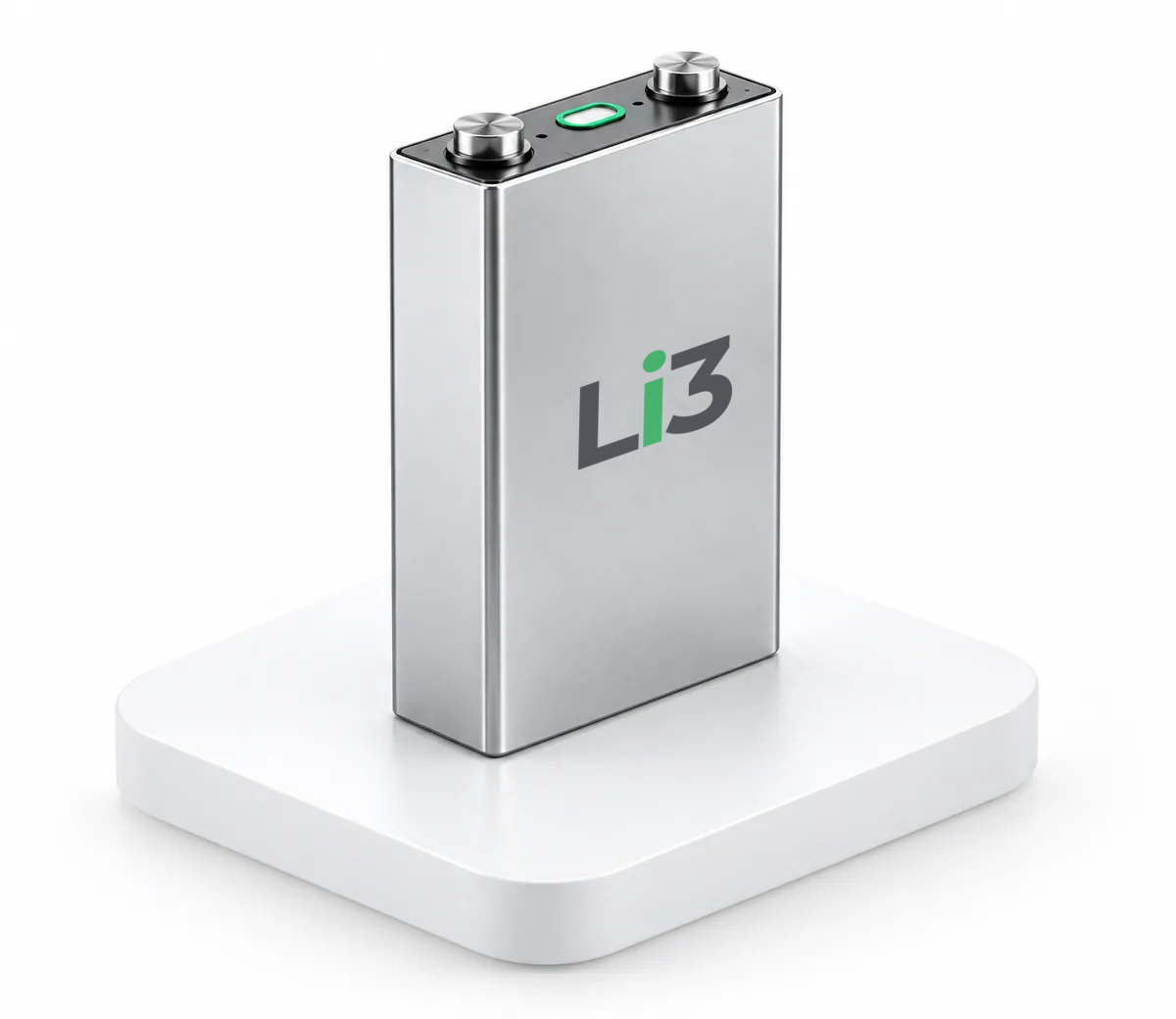
A prismatic Lİ3 lithium battery cell
Cell

Lİ3 Engineering

End-to-End Energy Storage

From cell selection to fleet management, every layer is designed, integrated, commissioned and monitored under a single engineering roof.

FleetMultiple sites
SiteFacility
System (BESS)Storage system
Rack
Module
Cell

Why Energy Storage?

Energy storage containers in an industrial area at dusk with the daily price curve

Arbitrage

Energy stored in the hours when electricity is cheap is used when prices rise. The gain is calculated in the feasibility study from the tariff and load profile of the site.

Energy storage site for peak demand reduction

Peak Demand Reduction

At the moments the site draws the most power, part of the demand is met from the battery. Demand charges fall and the grid connection is under less strain.

Rows of energy storage containers beside a transformer yard at sunset

Backup Power

When the grid goes down, the storage system keeps the critical loads running. Production lines, servers and security systems carry on without a stop.

Energy storage site for grid support

Grid Support

Storage feeds the grid at busy hours and takes in surplus generation. With voltage and reactive power support it improves power quality at the connection point.

Energy storage site for frequency and power balance

Frequency and Power Balance

Batteries can deliver and absorb power in under a second, so they balance grid frequency much faster than conventional plants. They can take part in ancillary service markets as far as regulation allows.

Energy storage site for black start

Black Start

After a total outage, a site or a plant is restarted on the first energy from the battery, with no power from outside. Recovery is shorter.

A renewable energy site where solar panels and wind turbines work side by side

Microgrid

Solar, wind, generators and storage are managed together in one local network. Storage balances it and keeps the site running on its own sources when the grid is down.

Solar panels in front of a facility in the evening

Load Shifting

Energy produced during the day or bought at a favourable tariff is stored and used in the evening peak. The way the site works does not change.

Our Solution Areas

Energy storage site for cost optimisation in grid investments

Cost Optimisation in Grid Investments

By covering peak loads with storage we defer or reduce costly grid investments such as transformers and lines.

Energy storage site for reducing carbon emissions

Reducing Carbon Emissions

We make a larger share of renewable generation usable on site and reduce consumption from fossil sources.

Energy storage site for grid independence

Grid Independence

We store the energy you generate and release it when it is needed. Less energy is drawn from the grid.

Energy storage site for demand response and flexibility

Demand Response and Flexibility

By shifting consumption to the needs of the grid we give your site flexibility and make use of demand response opportunities.

An engineer monitoring Lİ3 energy storage containers on a tablet

Operational Efficiency

We monitor the system continuously with the energy management software and adjust its operating strategy to the measured data.

Energy storage site for future readiness and grid modernisation

Future Readiness and Grid Modernisation

We prepare your site for a flexible grid based on renewable energy.

WHY Lİ3?

Strong engineering. One responsibility.

  • The right design

  • Documented integration

  • Ongoing support

END-TO-END SERVICE

One team runs every step from the needs analysis to installation and commissioning, and follows the system afterwards with remote monitoring, maintenance and technical support. So at every stage of your project you have one point of contact and one party responsible.

One team from analysis to installation, then monitoring, maintenance and technical support. One point of contact and one responsibility at every stage.

At every stage of your project you have one point of contact and one party responsible.

  1. Needs Analysis

  2. Installation

  3. Commissioning

  4. Remote Monitoring

  5. Maintenance

  6. Technical Support

Sectors We Serve

  • Industrial Sites

    Peak shaving and energy management around the shifts.

  • Commercial Buildings

    Limiting the power drawn from the grid in busy hours.

  • Solar Investors

    Moving daytime generation to evening and night use.

  • Telecom Operators

    Putting the backup batteries on site to work in energy management.

  • Charging Network Operators

    Meeting simultaneous demand without raising the connection power.

  • EPC Companies

    Storage engineering and integration support for your projects.

  • Distribution Companies

    Supporting grid balance and flexibility.

  • A Feasibility Study for Your Site

    We tell you by measuring whether storage suits your site.

Our Working Principles

  • Measurement Based Quote

    We measure your consumption before we prepare a quote, so every value we give you rests on your own data.

  • Components Fit for the Project

    We choose the components for what your site really needs, without being tied to a single brand.

  • Clear Written Scope

    The quote lists what is in scope item by item, so you know from the start what to expect.

  • Documented Handover

    At commissioning we measure the system together with you and hand the results over on record.

What to Know Before You Decide

What is a battery energy storage system (BESS)?

A system that stores electricity in batteries so you can use it whenever you need it.

How much storage capacity does my site need?

It depends on your consumption. See an estimated storage recommendation for your site on the Storage Estimate page.

I already have a solar plant, why would I need storage?

Solar produces around midday, consumption rises in the evening. Storage lets you use the surplus in the evening.

All Questions

Contact Us

  • Mon-Fri · 09:00-17:00
  • 29 Ekim Cad. No: 1/A, Anadolu OSB, 06909 Malıköy-Sincan, Ankara
Get in Touch