Contents
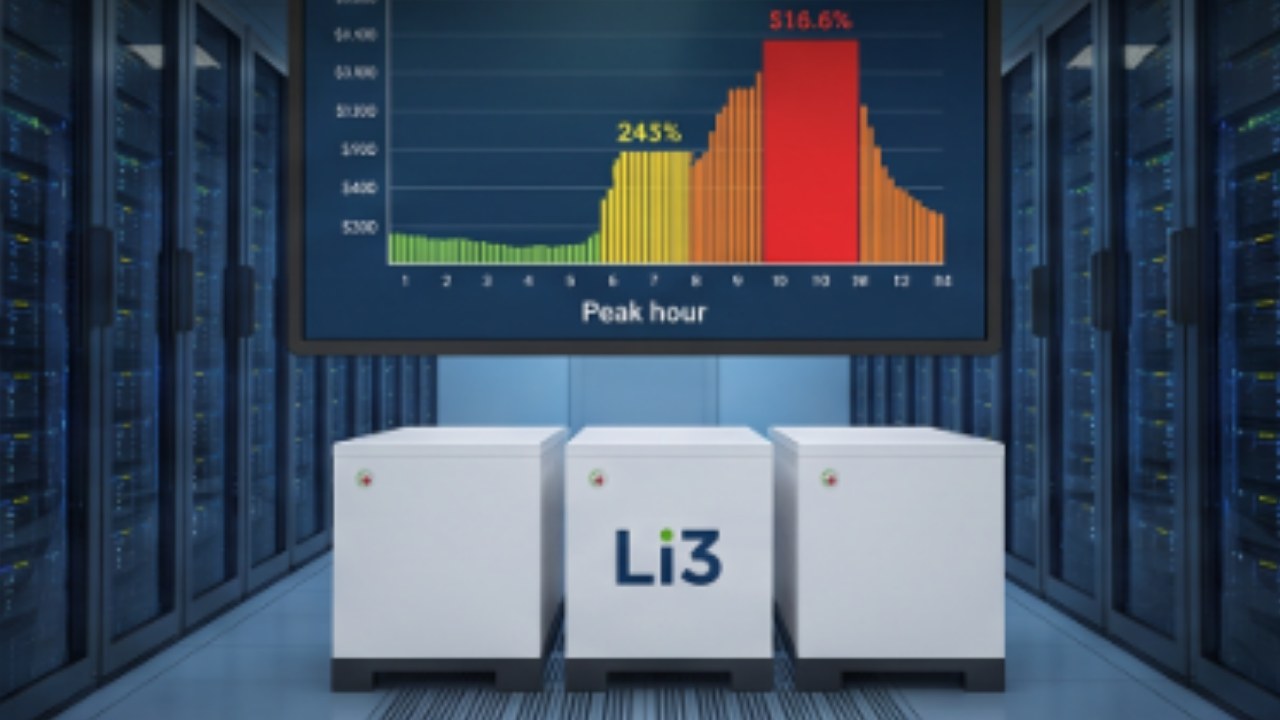
One of the most important factors behind an electricity bill is the time of day when energy is consumed. Under the three rate tariff, the most expensive part of the day is the peak period between 17:00-22:00.
What Are Peak Hours?
Peak is the time of day when demand on the grid is highest. Because generating and transmitting electricity costs more during these hours, the unit price also rises. Under the three rate tariff, the day is divided into three periods:
- Daytime: 06:00-17:00
- Peak: 17:00-22:00 (the most expensive period)
- Night: 22:00-06:00 (the most affordable period)
What Is Peak Shaving?
Peak shaving means covering part of the site's power demand from the battery at the moments when the power drawn from the grid is highest. This way, less energy is bought during expensive hours and power peaks are reduced.
How Does Battery Storage Lower Peak Costs?
- The battery is charged from the grid during the hours when the night tariff is favourable.
- When peak hours begin, the energy management system (EMS) automatically takes over and supplies the site from the battery.
- The difference between the peak and night prices turns into savings that repeat every day.
The size of the savings depends on your consumption during peak hours, the difference between peak and night prices and the efficiency of the battery. This difference is far more noticeable at sites that operate intensively in the evening.
Which Businesses Gain the Most?
Factories with evening shifts, shopping centres that get busiest in the evening, hotels and restaurants are the businesses that consume the most during peak hours. At these sites, an investment in storage pays for itself sooner.
To see an estimated storage recommendation for your business, you can use the Storage Estimate page.