
Energy Management System (EMS)
How Does the EMS Work?
Data Into the EMS
Decisions From the EMS
Consumption
The live and past load of the site
Generation
Solar and wind output, weather forecast
Tariff and Market
Hourly prices and tariff periods
Battery State
BMS data: charge, temperature, health
Charge and Discharge
When the battery runs and at what power
Peak Demand
The battery steps in near the power limit
Grid Connection
Drawing from, feeding and supporting the grid
Priority and Safety
Protecting critical loads, safe limits
EnerjiOne EMS

The EMS developed by our solution partner EnerjiOne provides end-to-end monitoring, control and optimization for grid-supported BESS projects.
Integrated Site Compatibility
Integration with site panels and SCADA systems.
Cyber Secure and Resilient
Cybersecurity measures and industrial durability.
Efficient and Scalable
Performance is monitored and reported, capacity grows with the need.
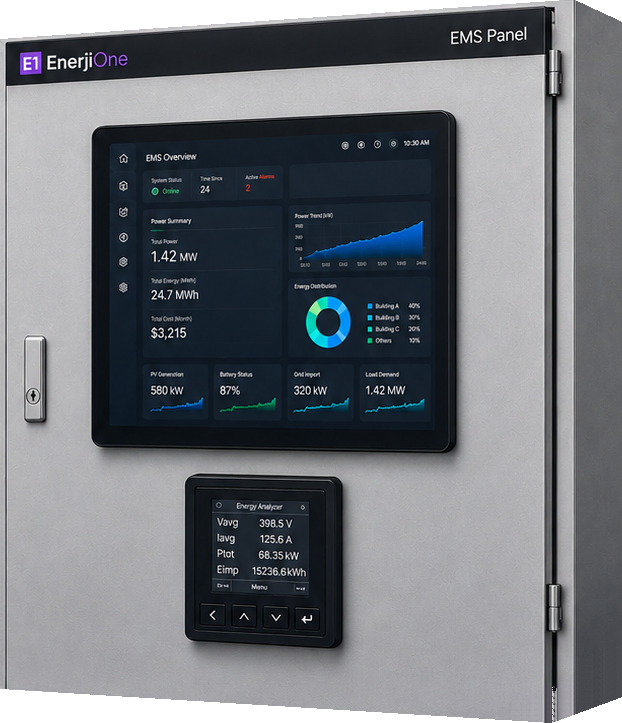
Overview
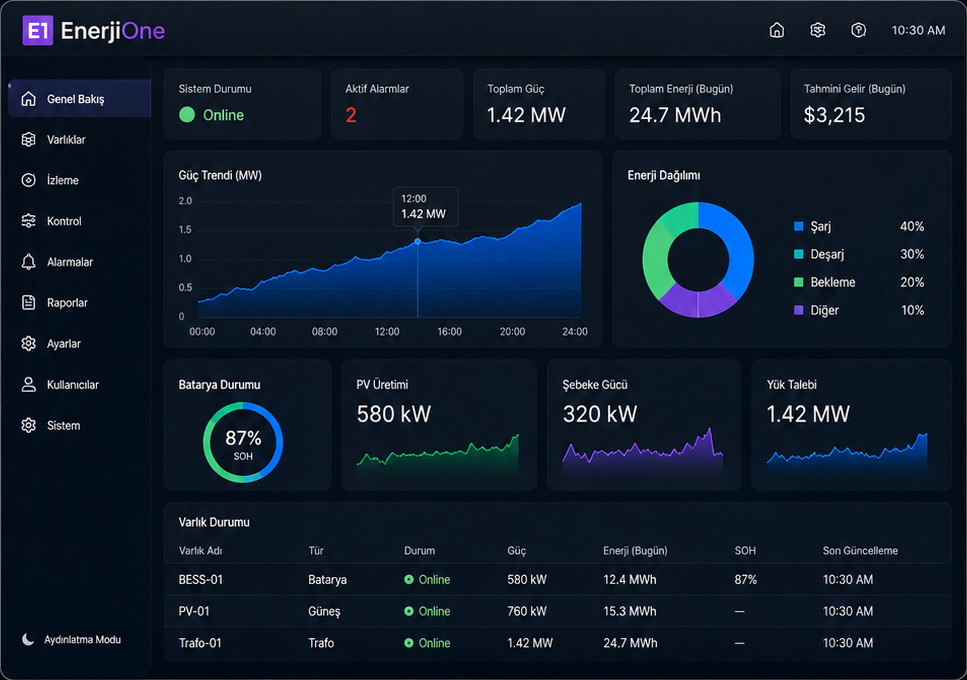
- Real-Time Monitoring
- Alarm Management
- Asset-Based Control
- Reporting
- SCADA Integration
- Site Panel Integration
- Live Telemetry
- High Reliability
Fleet Management
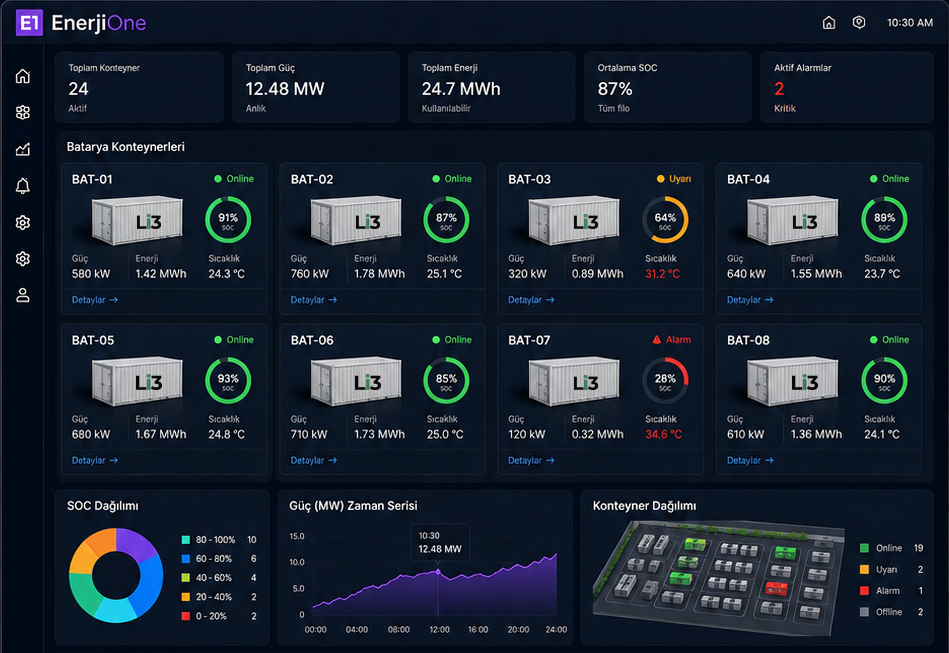
Monitor all your battery containers from a single screen, improve performance and minimize risks.
- Performance Tracking
- Energy Analytics
- Alarm and Event Management
- Modular Architecture
- Mobile Access
- Ease of Maintenance
Workflow
Source Signals
- Grid and MeterPCC active power, frequency, voltage
- Battery and BMSSoC, maximum charge and discharge power, alarm
- PCS and InverterActual power, status, fault
- PVGeneration, available power, limit
Workflow Steps
- Data CollectionLive data is collected from field devices.
- Signal PreprocessingData is validated, filtered and time-stamped.
- Mode SelectionTarget power is calculated using the selected mode and rules.
- Safety GuardSafety and constraints are checked, limits are applied.
- Command QueueCommands are queued and prioritized.
- PCS and Inverter CommandThe target power command is sent to the PCS and inverter.
- Readback and AuditReadback is received, recorded and monitored.
Safety and Constraints
- SoC Limits
- BMS and PCS Fault
- Import and Export Limit
- Ramp Rate
- Communication Loss Fallback
Operating Modes
Grid and Generation Modes
Peak Shaving
When the power at the connection point (PCC) exceeds the limit, the battery discharges to support the load.
Zero Export
Prevents exporting energy to the grid and directs excess energy to the battery first.
Self-Consumption
Uses PV generation for the load first, stores the surplus in the battery and covers shortfalls from it.
PV Curtailment
If the export or equipment limit is exceeded, it reduces PV output.
Optimization and Flexibility Modes
Energy Arbitrage
Charges at low prices and discharges at high prices, with the SoC reserve taken into account.
- Read price data
- Charge and discharge decision
- Limit and SoC control
Load Shifting
Shifts energy to the hours it is needed, by the time and load model.
- Read time and load model
- Charge and discharge plan
- Limit and SoC control
Frequency Control
Discharges when the frequency drops and charges when it rises, supporting the grid.
- Monitor grid frequency
- Calculate power with the P-f curve
- Limit and SoC control
SoC Balancing
Balances power between the containers so the equipment is used evenly.
- Read container SoC data
- Balance power distribution
- Limit and health control
EMS Panel
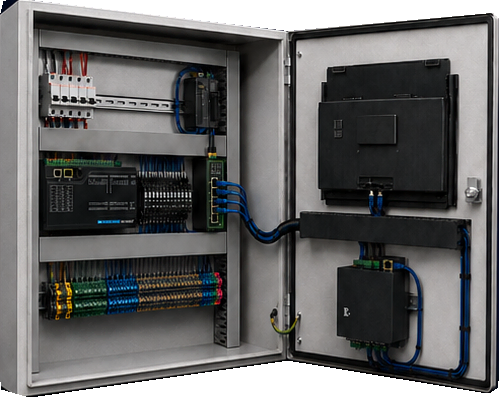
Panel Design
Integrated and reliable EMS panel solutions tailored to field needs.
- Modular internal design
- Industrial components
- Easy installation and maintenance
- Flexible I/O integration
Screen and Local Control
- 10-inch touchscreen
- Real-time data display
- Local control and alarm management
- Compact and durable design
Cybersecurity
- Field Devices
- EMS Edge PCEdge network
- Firewall and VPNSegmentation
- SCADA, DSO, TSO, CloudOptional
Field Security Layers
- Network segmentation and firewall
- Role-based access control (RBAC)
- Authorized command management
- Audit logs and event records
- Certificate-based communication
- Secure outbound gateway
- Service hardening and updates
- Backup and disaster recovery
NIS2 Support Areas
- Risk management
- Incident detection and logging
- Business continuity
- Supply chain security
- Audit evidence and reporting
- Secure data transfer
Security Dashboard
- Security events
- Certificate status
- Open ports and services
- Failed login attempts
- Backup status
- Secure
- Auditable
- Resilient
- Continuously Monitored
The EMS Difference
Charge and Discharge
Without EMSRuns on fixed preset hours or by hand.
With EMSPlanned automatically from consumption, generation and tariff data.
Peak Demand
Without EMSA power overrun is often noticed when the bill arrives.
With EMSThe load is watched live and the battery steps in near the limit.
Solar Output
Without EMSSurplus at midday cannot be used on the spot.
With EMSSurplus is stored and used at the hour it is needed.
Battery Life
Without EMSCycle and charge limits are not watched across the system.
With EMSCharge, temperature and cycle limits are part of every decision.
During an Outage
Without EMSLoad priority and changeovers are handled by hand.
With EMSCritical loads are fed by a priority set in advance.
Monitoring and Reporting
Without EMSThe data is spread over separate devices and screens.
With EMSThe whole system is watched on one screen and its performance is reported.
EMS Management Areas
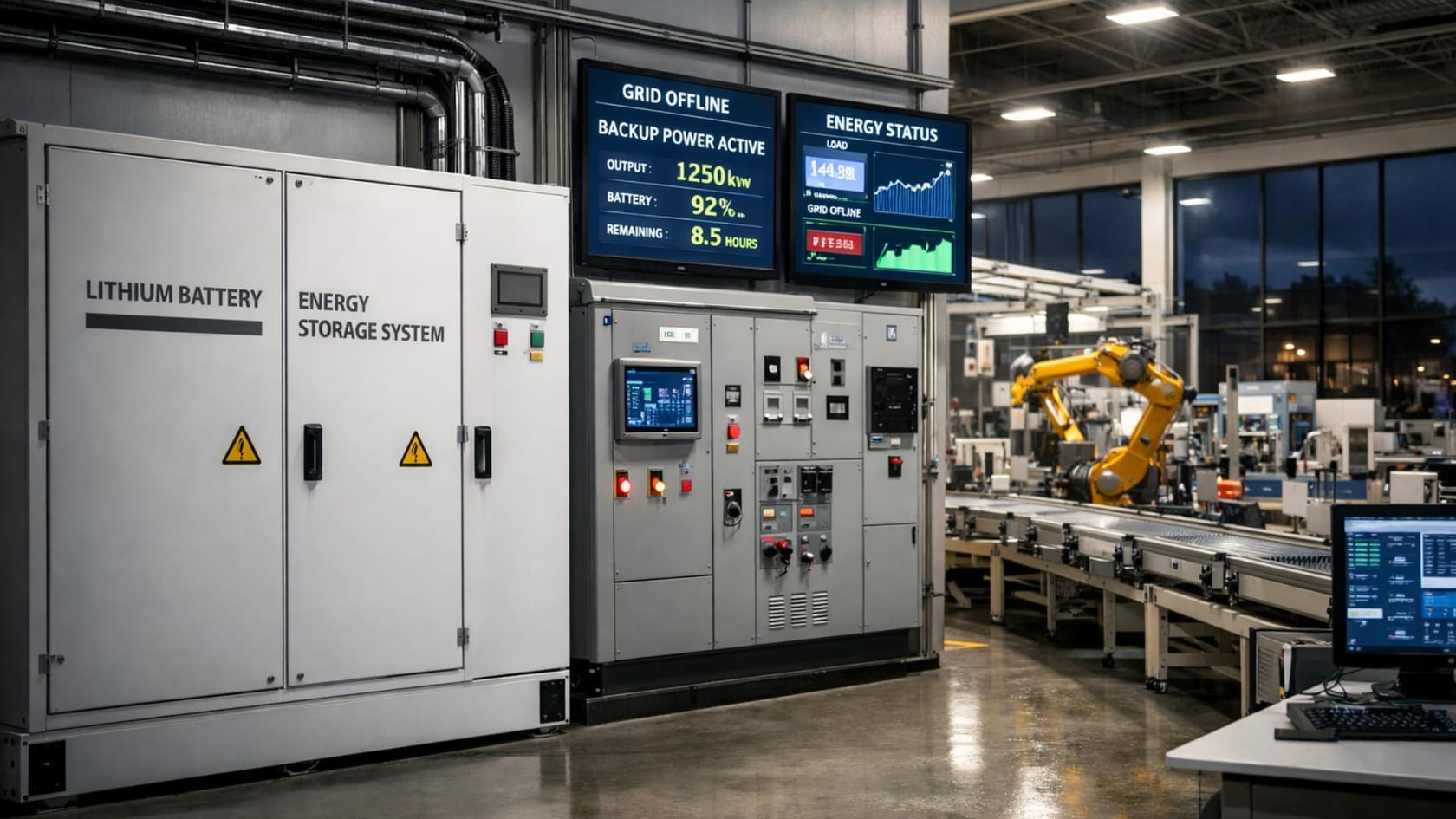
Peak Demand Management
It watches the power the site draws and meets part of the need from the battery near the limit.

Tariff and Price Tracking
It stores energy while electricity is cheap and uses it when the price rises.
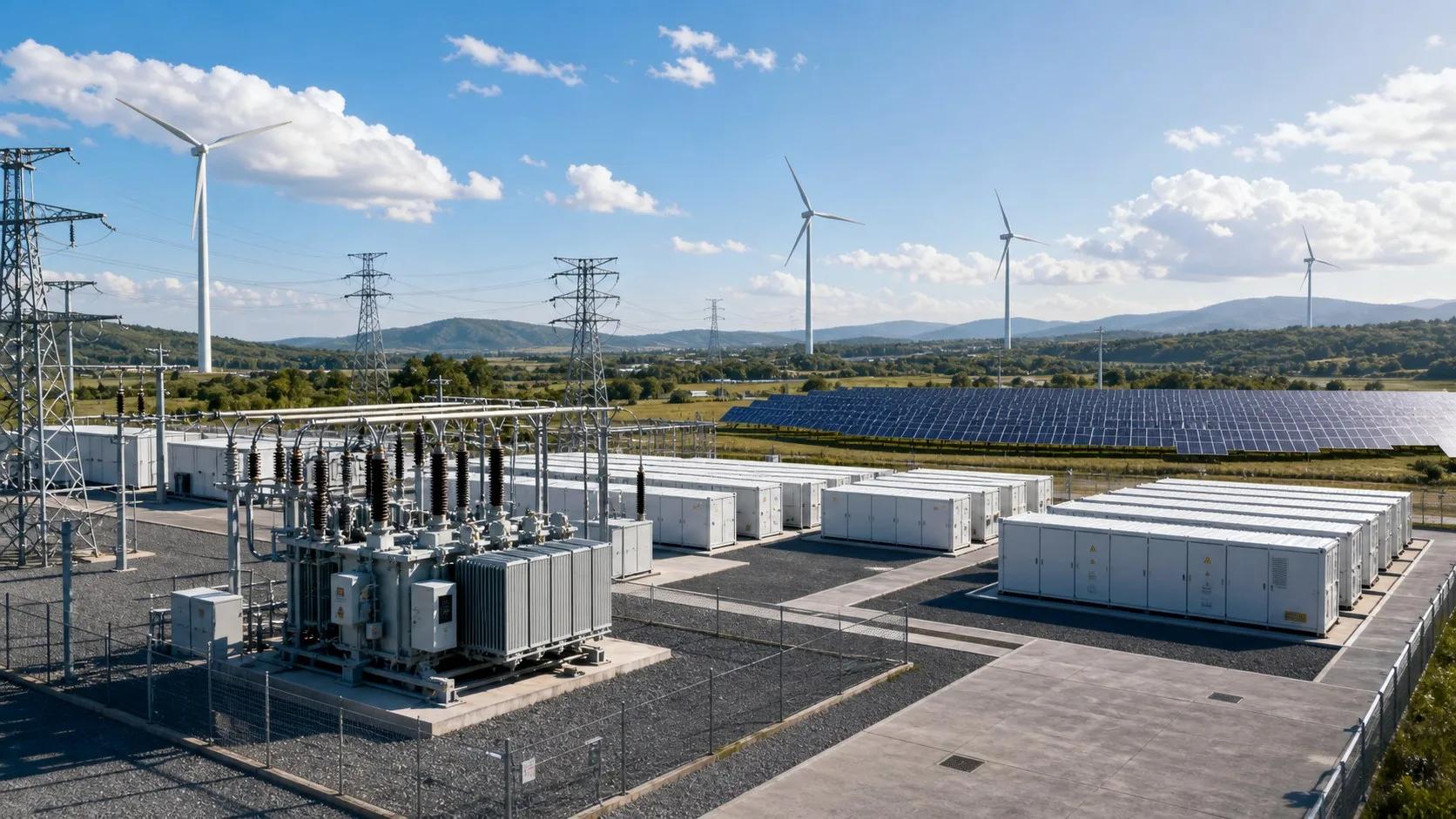
Working With Solar
It stores the surplus by the generation and consumption forecast and raises self consumption.
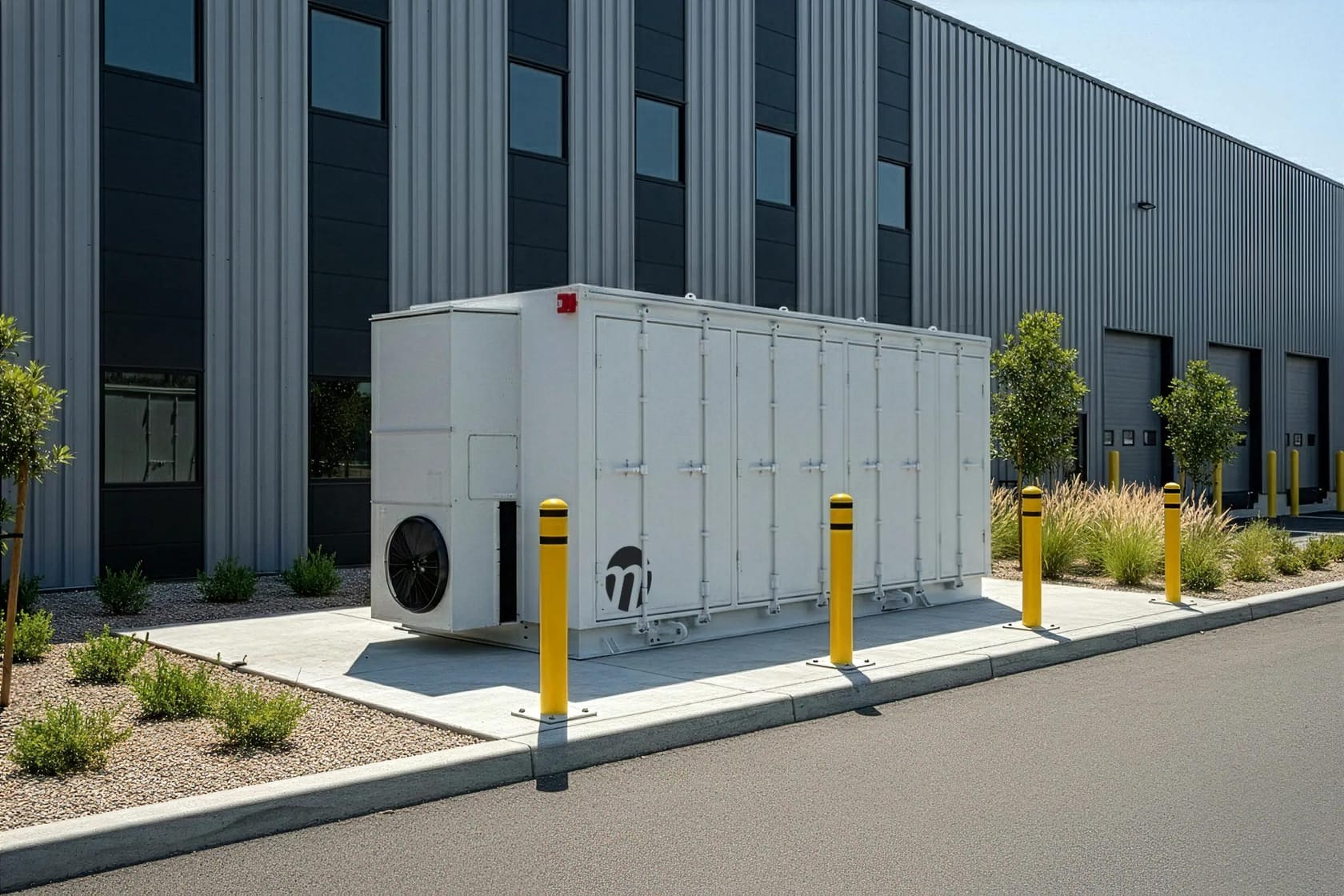
Backup Power and Load Priority
It keeps the energy an outage needs in the battery and puts critical loads first during one.
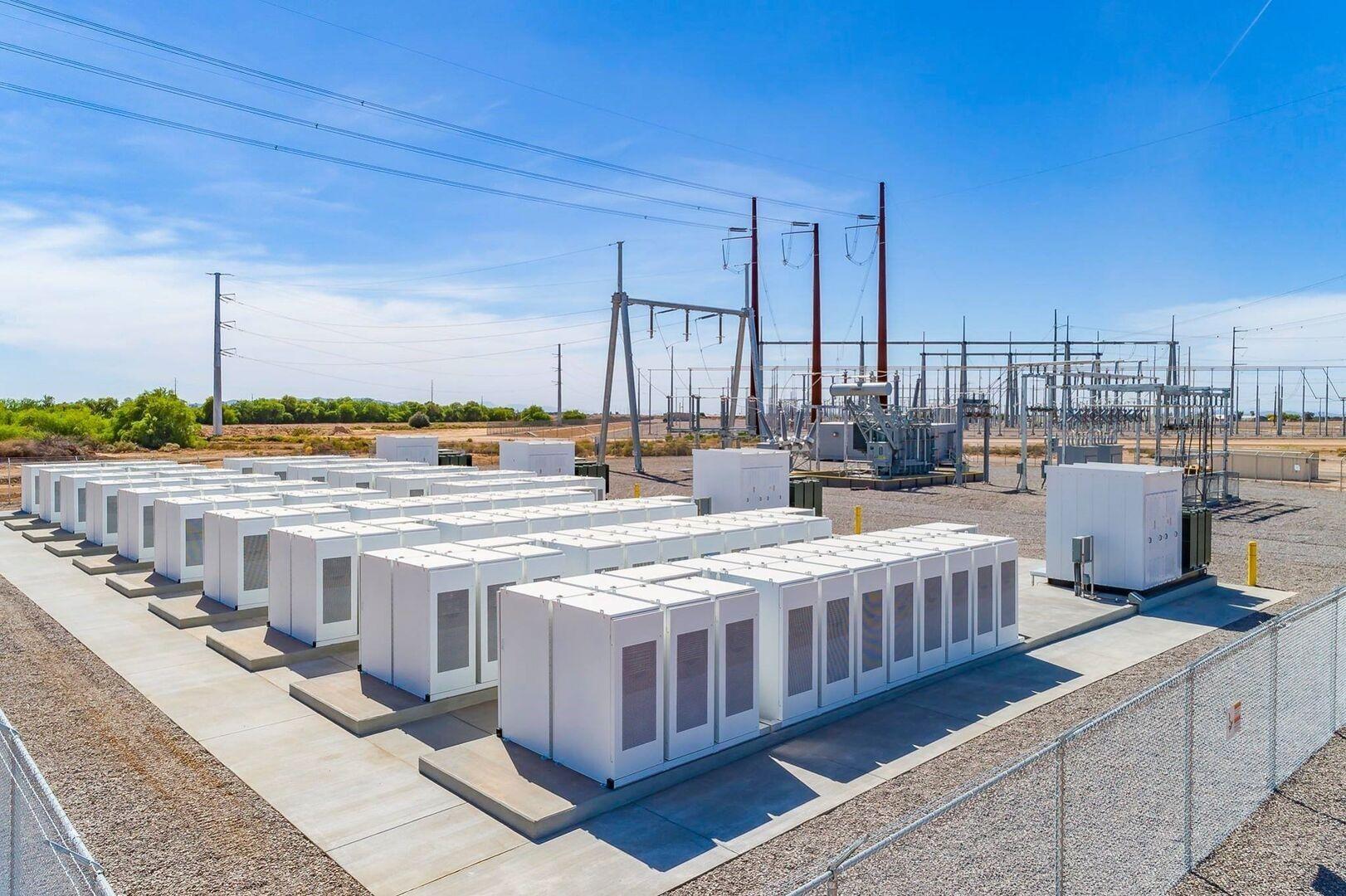
Grid Support Services
It carries out frequency and voltage support commands by the signals from the grid.
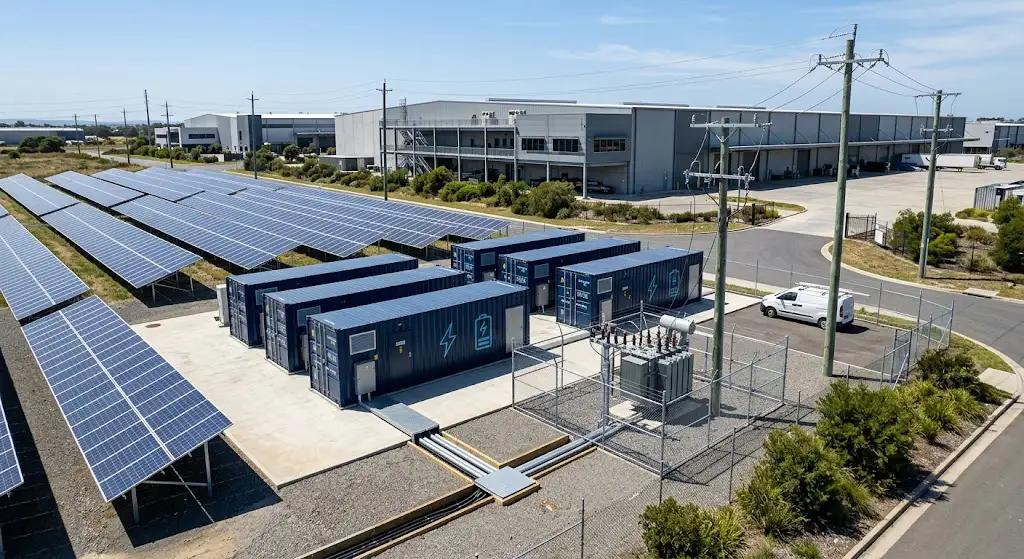
Microgrid Management
It manages battery, generation and loads together, on the grid or off it.