Contents
An energy management system, or EMS, is the software and control layer that decides when an energy storage system charges and discharges. The battery stores the energy; the EMS watches consumption, generation, tariff and battery state so that the energy is used at the right moment.
What Data Does an EMS Read?
- Consumption: The live and past load of the site.
- Generation: The output of a solar or wind plant, if there is one, and the weather forecast.
- Tariff and market: Hourly prices and tariff periods.
- Battery state: Charge, temperature and health data from the battery management system.
What Decisions Does an EMS Make?
- Charge and discharge: It sets when the battery runs and at what power.
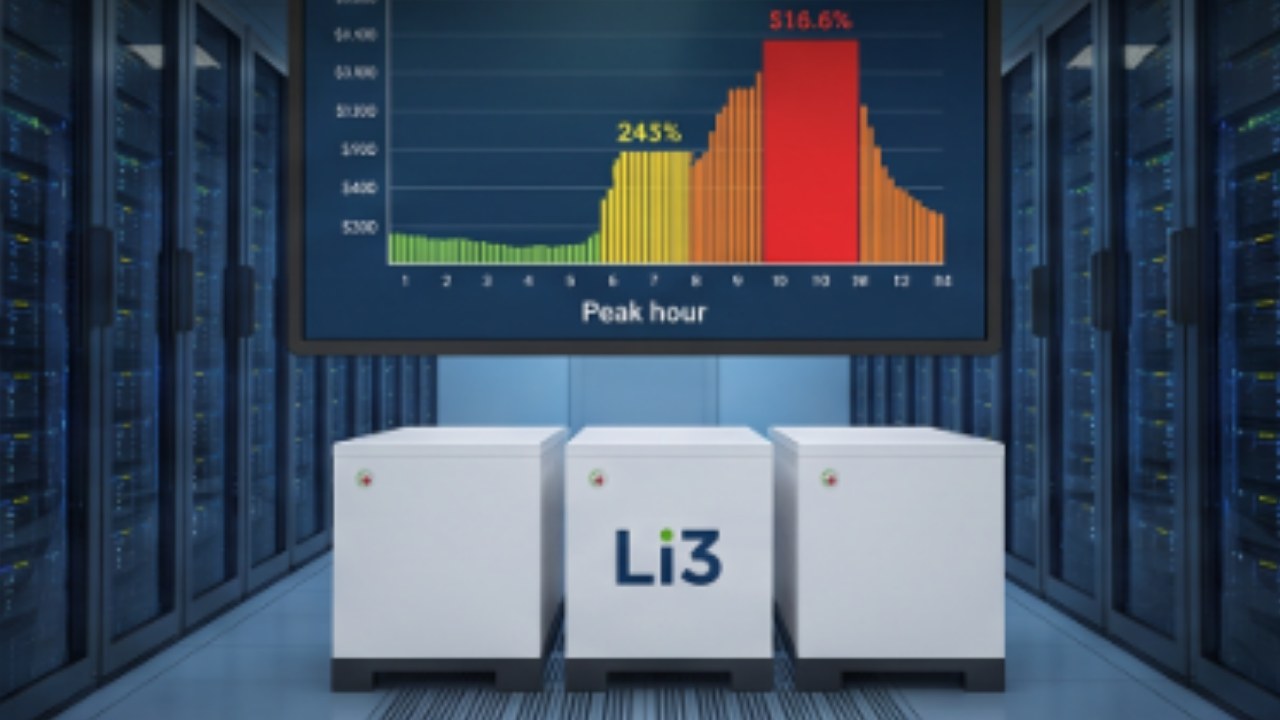
- Peak demand: It meets part of the need from the battery when the site nears its power limit.
- Grid connection: It manages drawing from the grid, feeding it and grid support commands.
- Priority and safety: It protects critical loads during an outage and keeps the battery within safe limits.
How Does an EMS Differ From a BMS?
The two are often confused. A BMS (battery management system) looks inside the battery: it watches cell voltage and temperature and protects the battery. An EMS looks at the whole site: it combines the BMS data with consumption, generation and tariff data and decides how the system runs.
What Does an EMS Give a Business?
- Stored energy is used by real data, not by fixed preset hours.
- Power overruns are managed before they happen, not when the bill arrives.
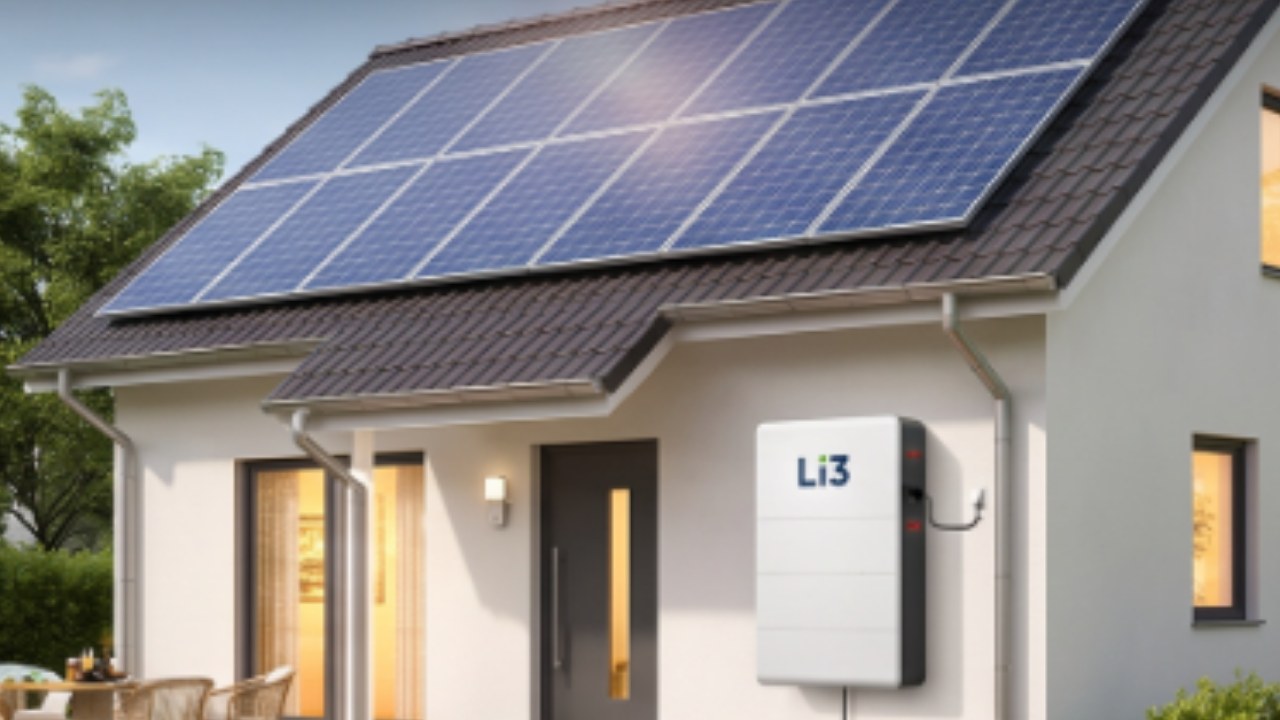
- Surplus solar output at midday can be stored and used at the hour it is needed.
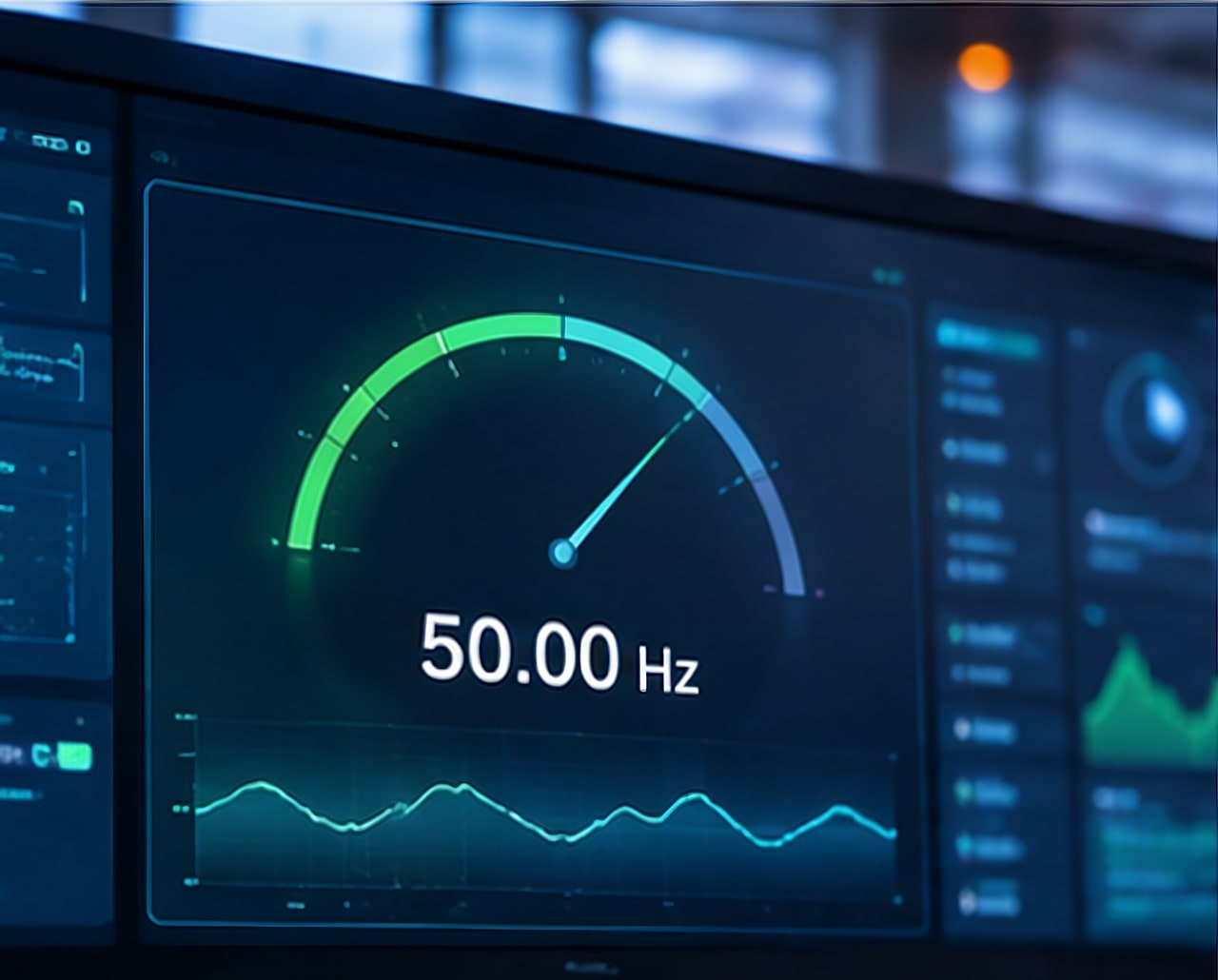
- The whole system is watched on one screen and its performance is reported.
How Does It Work With Existing Systems?
The EMS is integrated to talk to the SCADA and automation systems on site. Which data is read and which applications come first is set by the needs of the site.
See our Energy Management System (EMS) page for details, or contact us to plan a first meeting for your site.