Contents
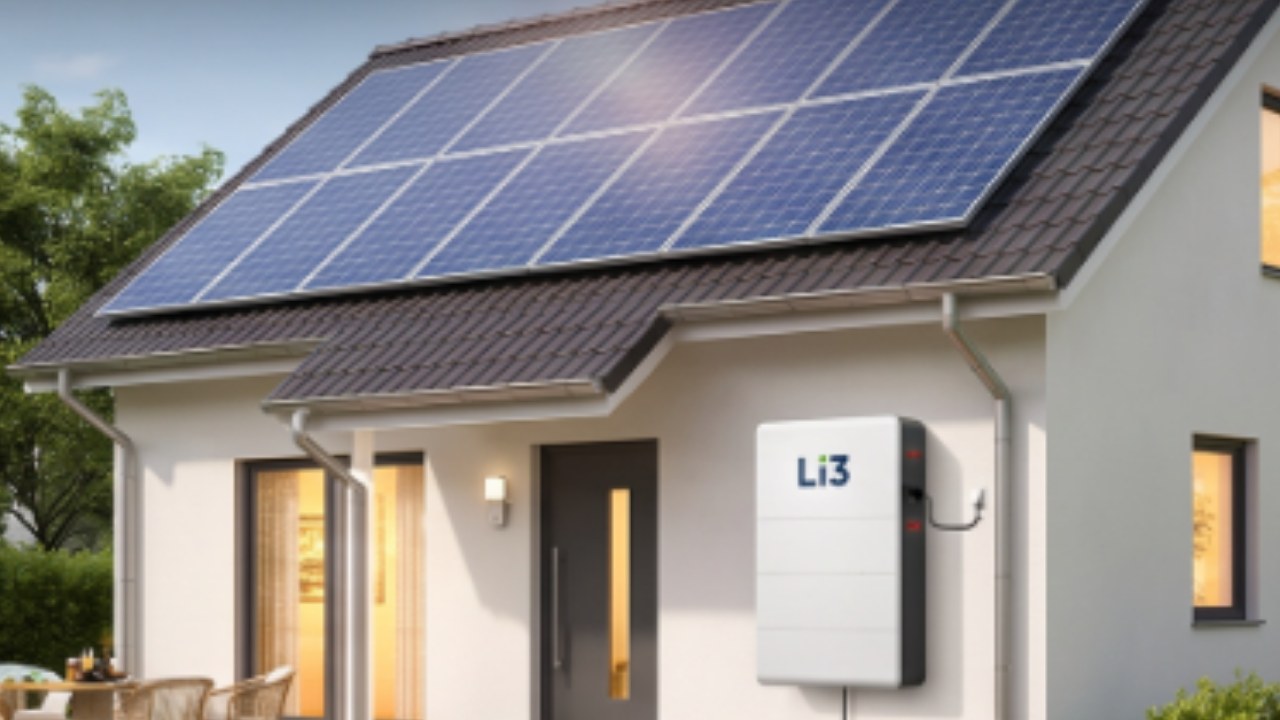
Solar power plants produce the most energy at midday. Yet in many homes and businesses, consumption rises in the evening. This time gap means that part of the energy produced is fed into the grid without being used on site. Battery storage closes this gap.
What Is Self Consumption?
Self consumption is the share of the electricity produced by the solar plant that is used directly on site rather than being fed into the grid. The higher the self consumption, the less energy is bought from the grid and the greater the benefit gained from the plant.
How Does Storage Increase Self Consumption?
- Energy produced during the day in excess of consumption is stored in the battery.
- After sunset, this energy is used on site in the evening and during peak hours.
- Fluctuations in generation caused by clouds and changing weather are balanced out.
Can I Add Storage to My Existing Plant?
Yes. Storage can be added to an installed solar plant later. The suitable capacity is determined by reviewing the plant's power, its inverter configuration and the grid connection conditions. The whole process, from design to commissioning, can be carried out by a single team.
What Do Solar and Storage Bring Together?
- Lower bills: You use more of the energy you produce yourself.
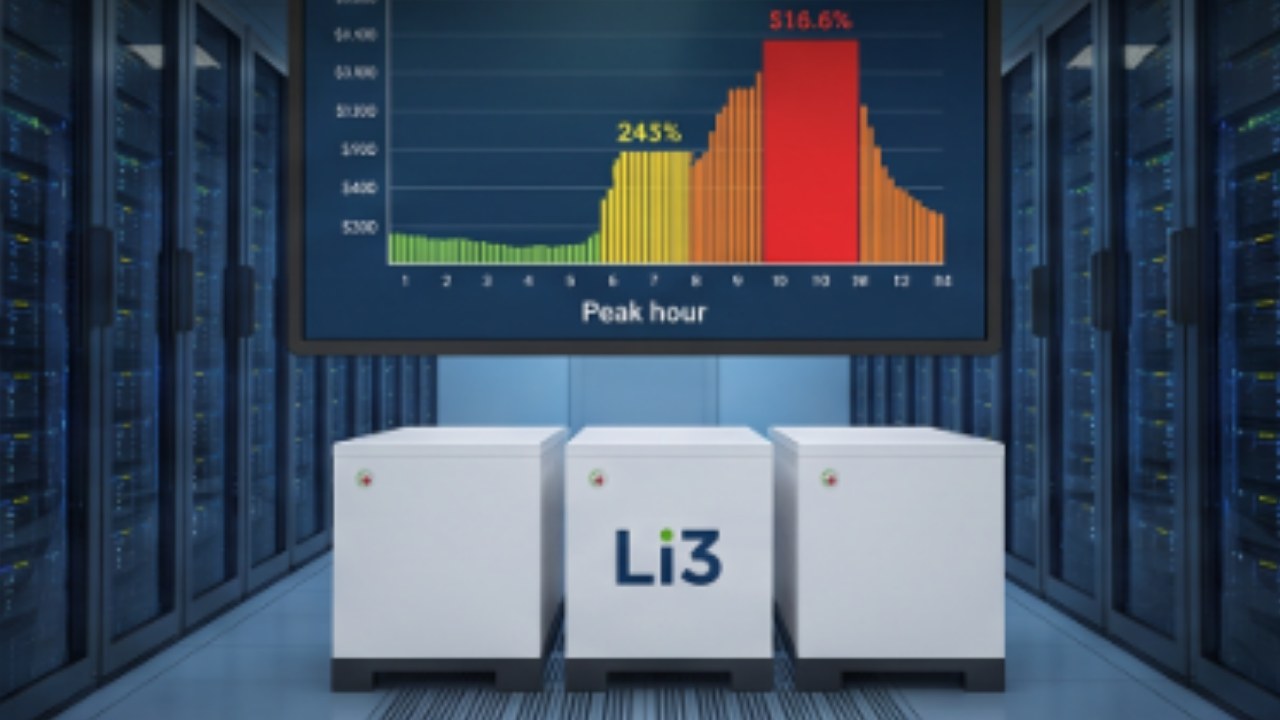
- Peak savings: In the evening, you use your own energy instead of expensive grid energy.
- Protection against outages: With systems that offer backup power, critical loads keep running during an outage.
If you have a solar plant or are thinking of installing one, you can see an estimated storage recommendation for your site on the Storage Estimate page.