Contents
Electricity subscribers can choose between a single rate and a three rate tariff. If you are installing an energy storage system, this choice directly affects your savings.
The Difference Between the Single Rate and Three Rate Tariffs
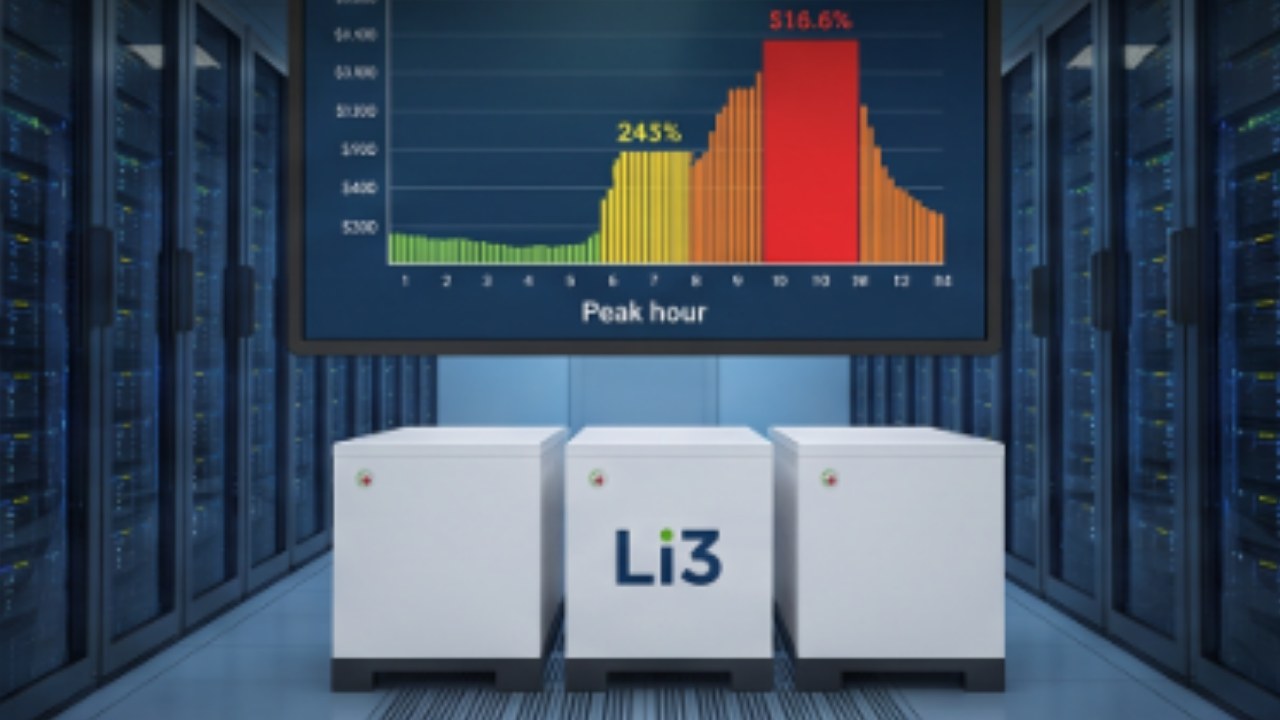
Under the single rate tariff, the unit price of electricity is the same at every hour of the day. Under the three rate tariff, the day is divided into three periods, each with a different price:
- Daytime: 06:00-17:00
- Peak: 17:00-22:00, the most expensive period
- Night: 22:00-06:00, the most affordable period
How Does Storage Benefit From the Three Rate Tariff?
An energy storage system charges its batteries during the night period and supplies the site from the battery during the peak period. This way, instead of buying energy from the grid during expensive hours, you use the energy you stored at a lower price. The bigger the difference between the peak and night prices, the bigger the savings.
Which Tariff Is Right for You?
If most of your consumption falls in peak hours, the three rate tariff can be expensive without storage. With storage, however, once peak consumption is shifted to the battery, the three rate tariff often becomes the most advantageous option. The right decision requires looking at how your consumption is distributed across the hours of the day.
See Your Storage Recommendation
By entering your subscriber type and monthly consumption on the Storage Estimate page, you can see your estimated storage recommendation.